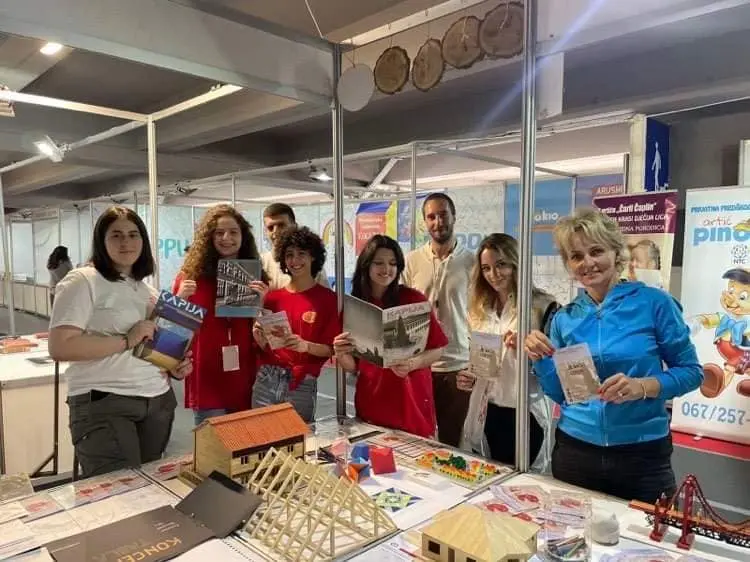
Within the WEC project, partners mapped existing VET programmes and resources related to construction. This mapping identifies educational pathways and support mechanisms, with a focus on attracting girls and women to construction-related careers.
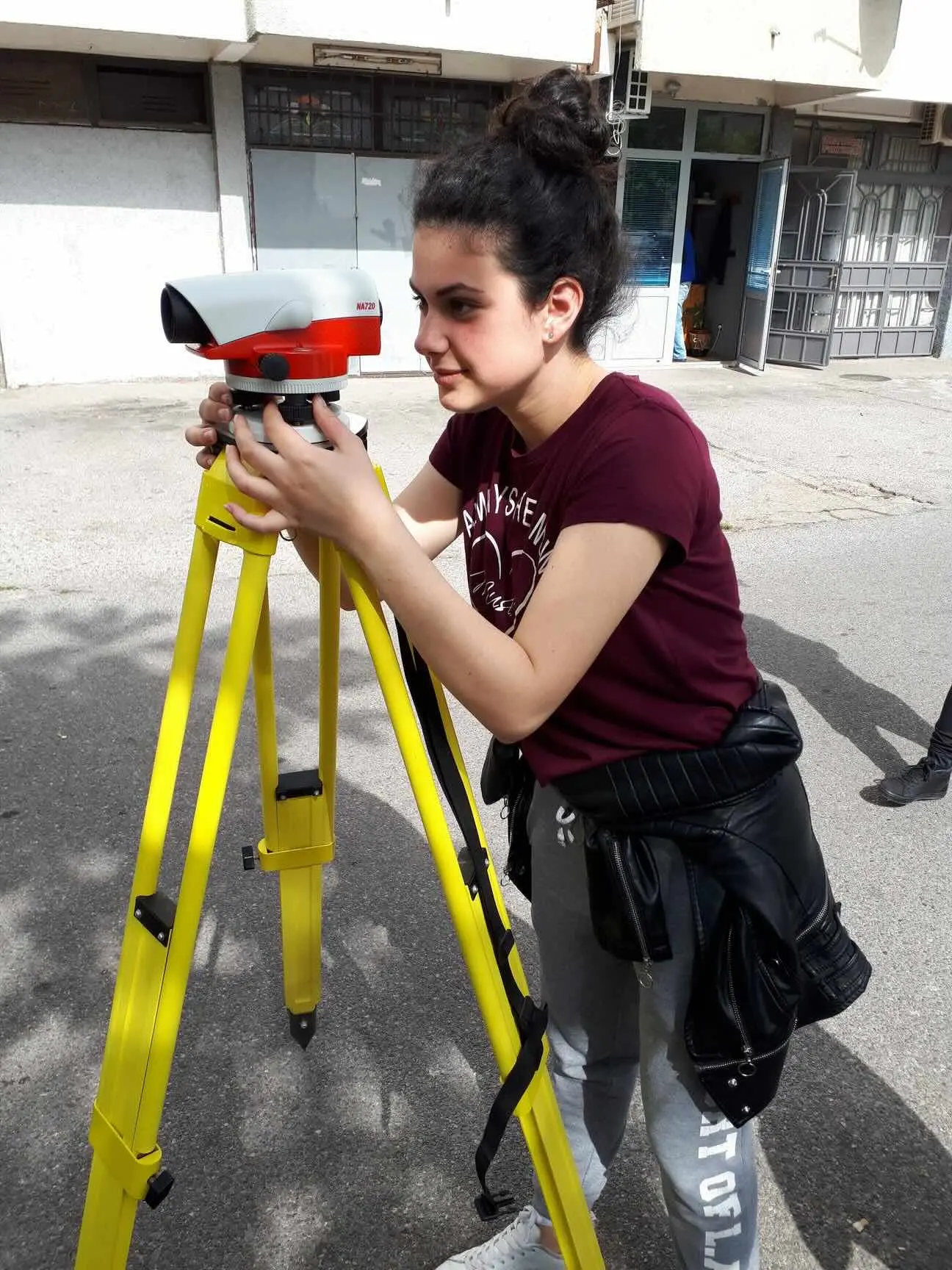
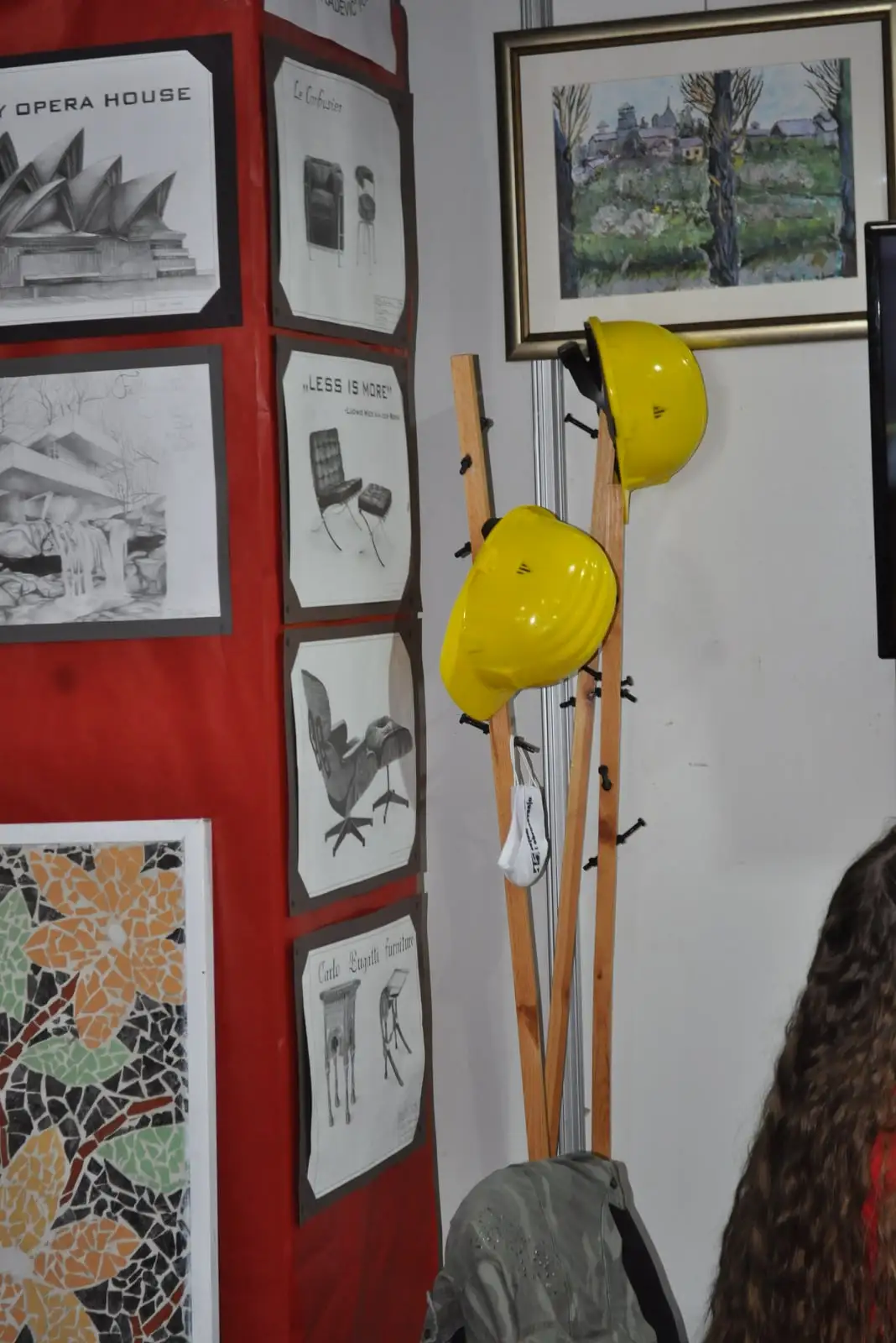
Montenegro offers construction-related vocational education primarily through secondary vocational schools and training programmes that prepare students for technical and skilled occupations. These pathways typically combine theoretical learning with practical training. Programmes often include topics such as building construction, surveying/geodesy basics, technical drawing, construction materials, finishing works, and health and safety practices.
For students, VET can serve as a direct route to employment or a foundation for further education and professional development in engineering, architecture, and related fields.
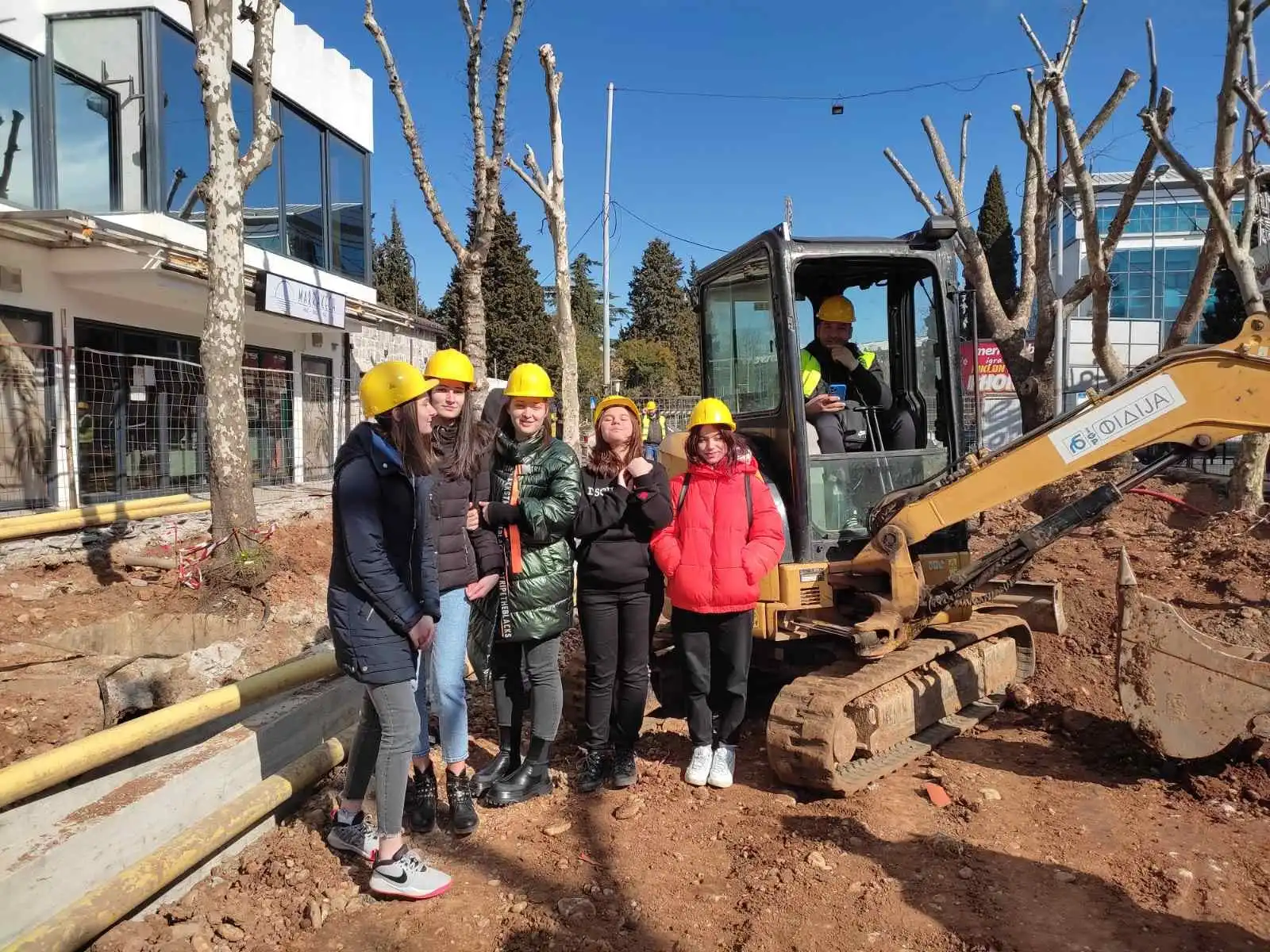
A key element of VET is practical learning. Schools collaborate with companies and institutions to provide work-based learning opportunities, internships, site visits, and exposure to real projects. These collaborations help students connect classroom knowledge with real-life tasks, learn professional standards, and gain confidence.
Cooperation with industry partners such as Knauf Montenegro, Eurozox, ING Invest, Geoengineering Montenegro, and the Real Estate Administration enables students to gain real-world experience through site visits, internships, and mentoring.
The mapping identified several categories of resources that support construction education and career orientation in Montenegro:
Digital and learning resources: online materials and tools that can be used to support modern learning approaches and attract students through engaging content.
Mapping programmes and resources helps identify opportunities to make construction education more attractive to girls. When schools and communities clearly communicate that construction includes diverse roles—technical, creative, digital, and managerial—girls are more likely to consider it.
The mapping also helps identify gaps, such as limited visibility of female role models, insufficient targeted outreach, or lack of tailored support during practical training.
The results of this mapping will support the next phases of the WEC project, including curriculum-related work, outreach activities, and communication campaigns. In Montenegro, partners will use the mapping to strengthen cooperation with industry, improve how construction careers are presented to girls, and ensure that practical learning environments are supportive, inclusive, and inspiring.

Funded by the European Union. Views and opinions expressed are however those of the author(s) only and do not necessarily reflect those of the European Union or the European Education and Culture Executive Agency (EACEA). Neither the European Union nor EACEA can be held responsible for them.