
An inclusive workplace is not simply one that tolerates difference — it is one where diverse perspectives are actively sought, valued, and used to improve outcomes. For the construction industry, building this culture requires intentional effort at every level of an organisation.
The Three Pillars of Inclusion
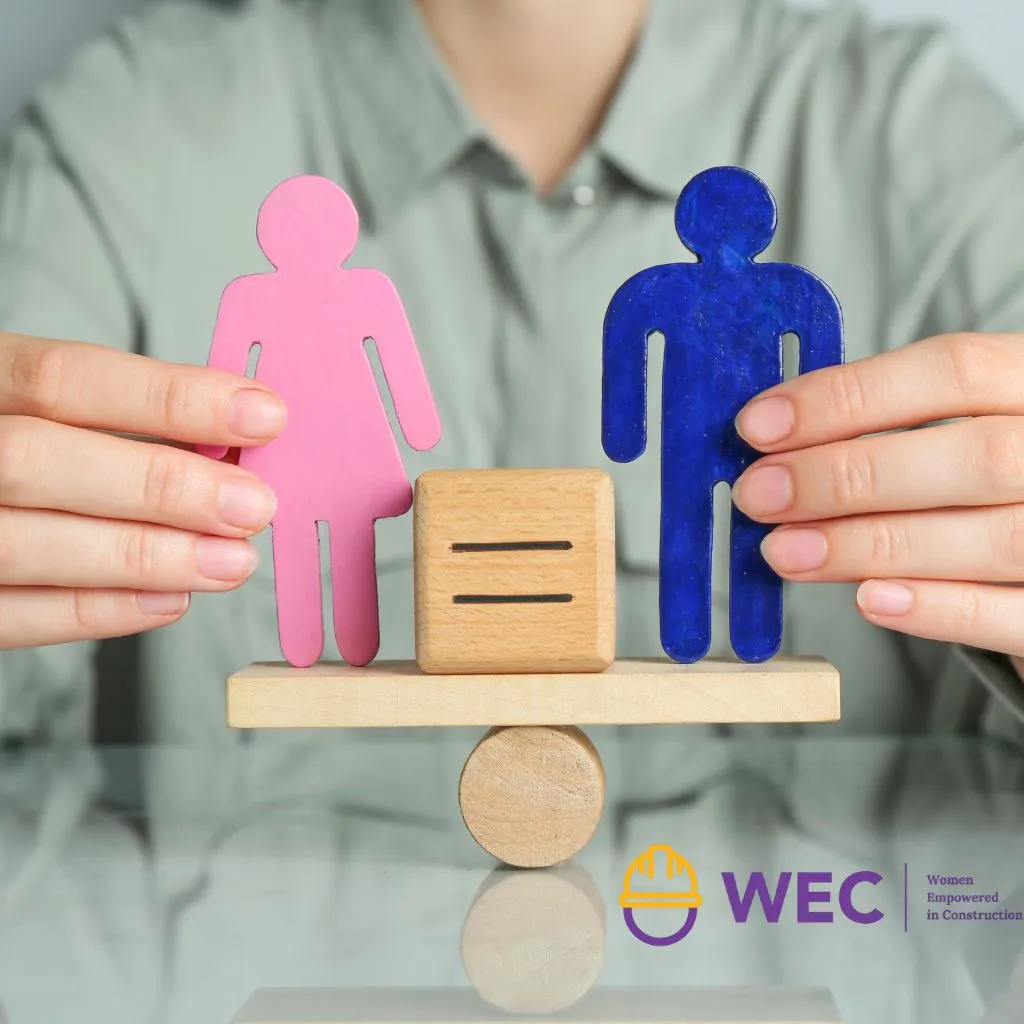
Inclusion rests on three mutually reinforcing pillars. Belonging means feeling accepted and respected — being able to show up as yourself without fear of ridicule or marginalisation. Participation means having a genuine voice in decisions that affect your work, not just being consulted in a performative way. Equity means receiving fair treatment and access to opportunities regardless of your gender, background, or identity. All three are necessary; none is sufficient alone. A woman can feel socially accepted but still be passed over for promotion; she can be consulted on decisions but never see her input acted upon. True inclusion requires progress on all three dimensions simultaneously.
Physical and Operational Inclusion
Inclusion is not only a cultural question — it has concrete physical and operational dimensions. Are site welfare facilities (changing rooms, toilets, rest areas) adequate for workers of all genders? Is PPE available in sizes that fit a diverse workforce? Are working hours and leave policies compatible with caring responsibilities that are still disproportionately carried by women? Are informal social events structured in ways that exclude some workers? These practical questions reveal whether an organisation’s commitment to inclusion is genuine or merely rhetorical. Auditing these dimensions regularly — and acting on findings — is a hallmark of organisations that take equity seriously.
The Role of Leadership
Leadership behaviour sets the tone for organisational culture more powerfully than any policy document. When senior figures model respectful communication, acknowledge their own mistakes, actively seek input from less powerful colleagues, and visibly support workers from underrepresented groups, they make inclusion a lived norm. Conversely, leaders who dismiss concerns, tolerate disrespectful language, or reward only those who fit a narrow cultural mould undermine every diversity initiative the organisation funds. Research consistently shows that psychological safety — the belief that one can speak up without punishment — is the single strongest predictor of team performance. Leaders create or destroy psychological safety through small daily behaviours.
Measuring Progress
What gets measured gets managed. Organisations serious about inclusion track data on representation at different levels, pay gaps, promotion rates, retention rates, exit interview themes, and the results of regular employee engagement surveys disaggregated by gender. They set targets, report progress publicly, and hold managers accountable for results. They also invest in qualitative listening — focus groups, one-to-one conversations, anonymous feedback tools — to understand the lived experience behind the numbers. Without measurement, inclusion initiatives are acts of faith rather than strategy.

Funded by the European Union. Views and opinions expressed are however those of the author(s) only and do not necessarily reflect those of the European Union or the European Education and Culture Executive Agency (EACEA). Neither the European Union nor EACEA can be held responsible for them.