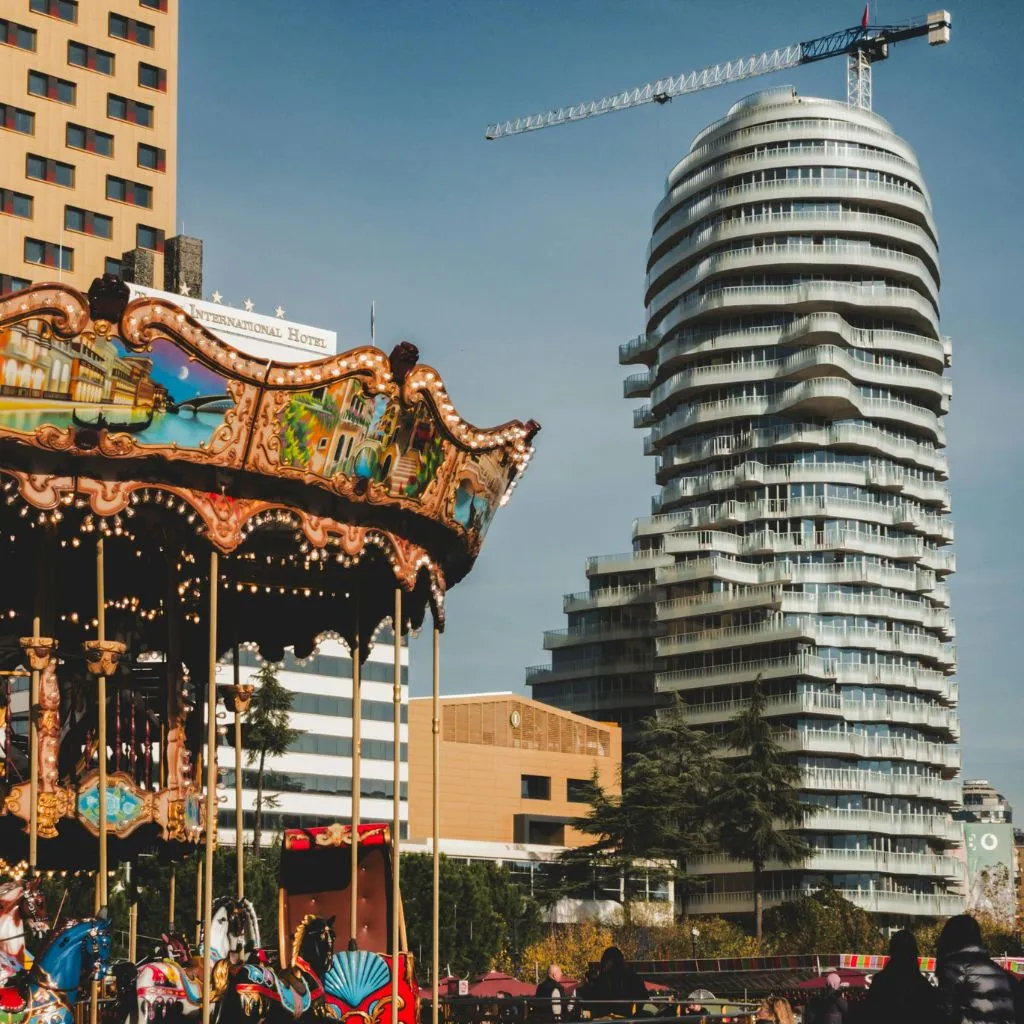
Albania’s skyline is changing. New residential towers, tourism infrastructure, roads, and urban developments are reshaping cities and coastal areas at an unprecedented pace. Construction is one of the most powerful engines of the national economy, contributing significantly to GDP and driving investment and growth. But behind cranes and concrete lies a fundamental question: who is building Albania?
Our WEC National Research on Women and Girls’ participation to the construction sector, funded by EU Erasmus+ and implemented by CRCA Albania, set out to answer a related question. Why, in one of the country’s most important industries, contributing to almost 15 percent of Albania’s GDP, women are still largely absent?
The study aimed to assess the level of participation of women and girls in construction-related education and employment in Albania. It examined the structural, cultural, and institutional barriers that limit their inclusion and explored how gender imbalance intersects with the sector’s growing labour shortage.
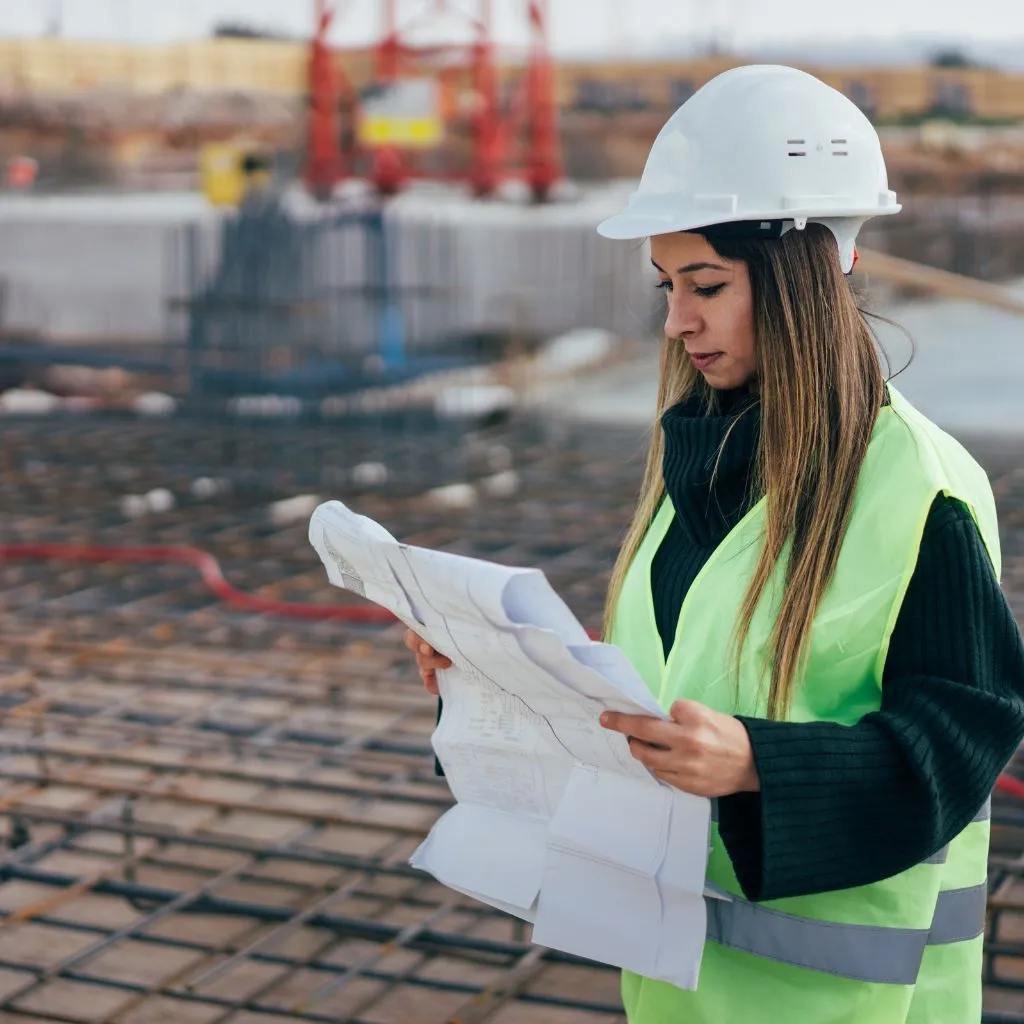
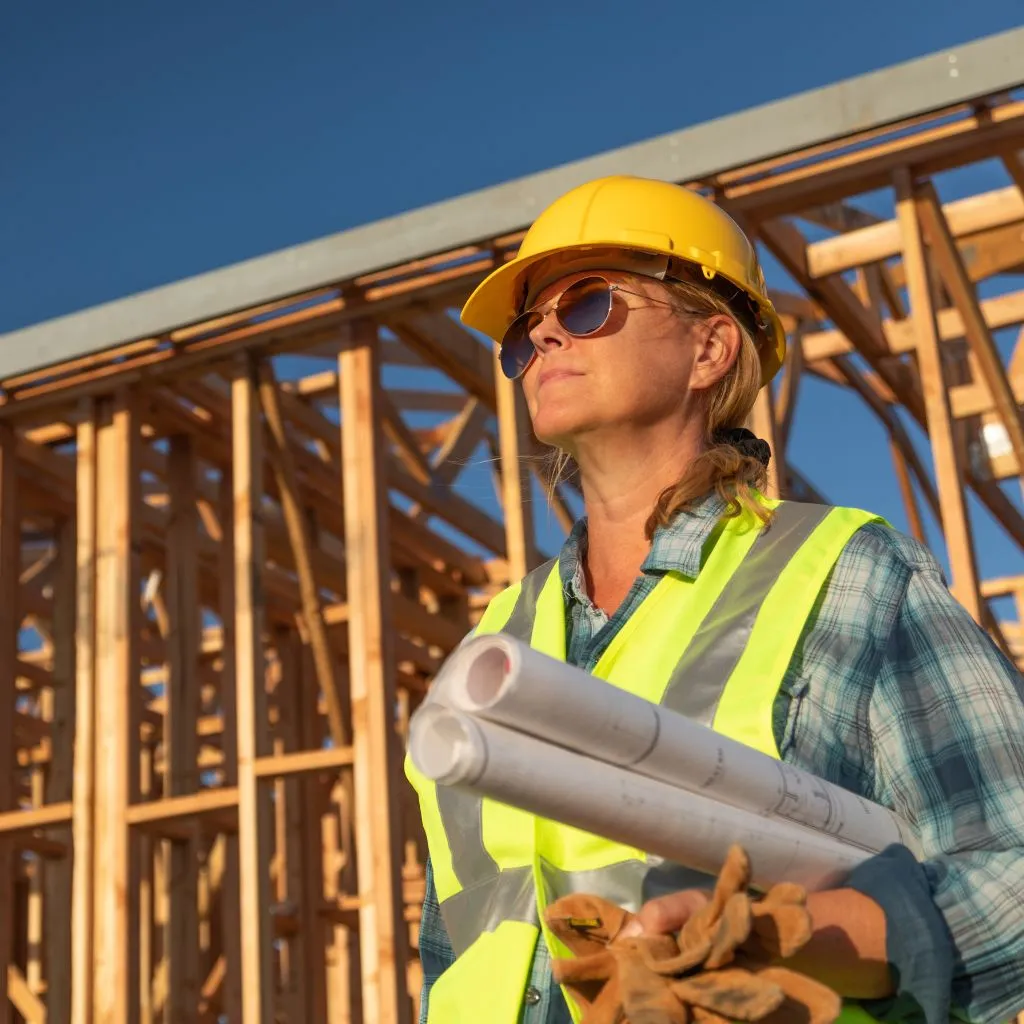
The research combined national statistical data, policy analysis, and consultations with employers, vocational schools, experts, and young people. The findings of the research show that women and girls represent only a small share of the construction workforce in Albania, typically between three and ten percent. Even within that limited percentage, most are employed in administrative, financial, or design-related roles rather than in technical or site-based positions. The presence of women in fieldwork remains minimal.
While women make up the majority of university graduates nationally, only a small proportion choose studies related to engineering, manufacturing, or construction. In vocational education and training, girls represent a minority of students enrolled in construction programs. Although their numbers have slowly increased in recent years, the gap remains significant.
At the same time, the sector faces a serious labour shortage. Employers consistently report difficulties in recruiting skilled workers such as masons, welders, electricians, and civil engineers. Emigration, demographic changes, and declining interest in vocational careers among youth have intensified these challenges.
The research identified several structural and cultural barriers. Construction is still widely perceived as a “man’s profession.” Girls and women are rarely encouraged to pursue technical education, and families often guide them toward office-based or traditionally “safer” career paths. As a result, many young women never seriously consider construction as an option. Women may also experience isolation in male-dominated environments and have limited access to mentorship or professional networks.
Construction accounts for a substantial share of Albania’s economic activity. Yet its workforce does not reflect the full talent pool of the country by giving equal opportunities to participate, contribute and benefit to men and women. If Albania wants a construction sector that is competitive, resilient, and future-oriented, it must rethink who gets to build it.
The WEC project builds on these research findings by developing innovative, gender-responsive vocational education and training programmes designed to open real pathways for women and girls into construction and help modernise one of the country’s most powerful industries.

Funded by the European Union. Views and opinions expressed are however those of the author(s) only and do not necessarily reflect those of the European Union or the European Education and Culture Executive Agency (EACEA). Neither the European Union nor EACEA can be held responsible for them.