By: Altin Hazizaj, Director, CRCA Albania
The construction industry continues to be seen as a “natural” space for men. From the very launch of the WEC Project supported by the European Union’s Erasmus+ programme, meeting after meeting with institutions, construction business associations, vocational schools, partner organisations, friends and colleagues, this perception has been dominant. I often feel that when people first hear the title of our project, they imagine women and girls carrying heavy cement bags on their backs, lifting steel bars that could break their spine, or eating lunch seated high above the ground like in the famous 1932 photo in Manhattan, New York: Lunch atop a Skyscraper.
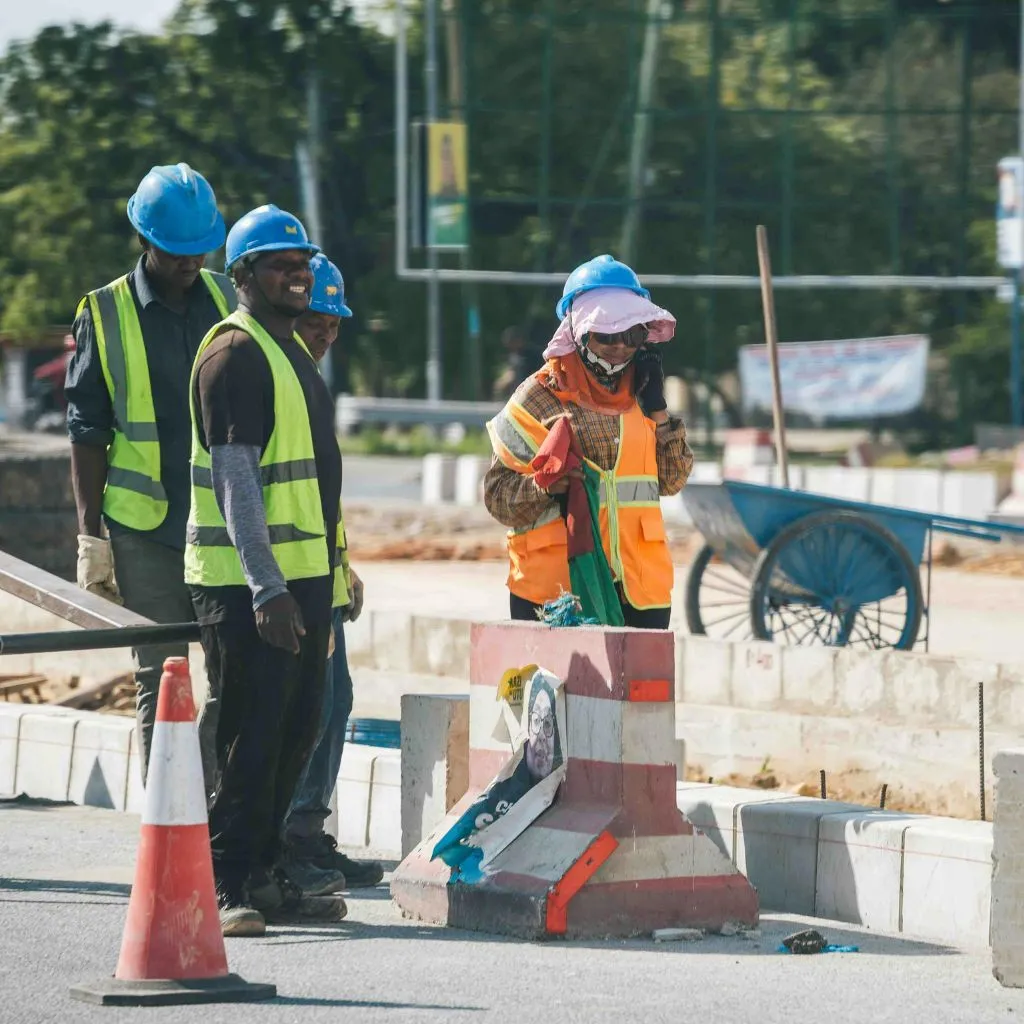
As a feminist, in my mind everything is possible for everyone, women or men, and no one should face any barrier in engaging in the work and profession they choose for themselves. But the reality of the construction industry speaks for itself. Only 15 percent of those employed in the construction sector in Albania are women and girls. Most of them work in office-based positions such as economists, lawyers, or architects, often coming from university backgrounds, while mid- and lower-level technical positions are dominated by boys and men.
This reality does not exist because women lack ability. It exists because for decades this industry has been built on strong gender stereotypes, work traditions, and organisational cultures that have excluded women, often without even noticing it. This is not only a social injustice. It is a real loss for the labour market, for the economy, and for the sector itself.
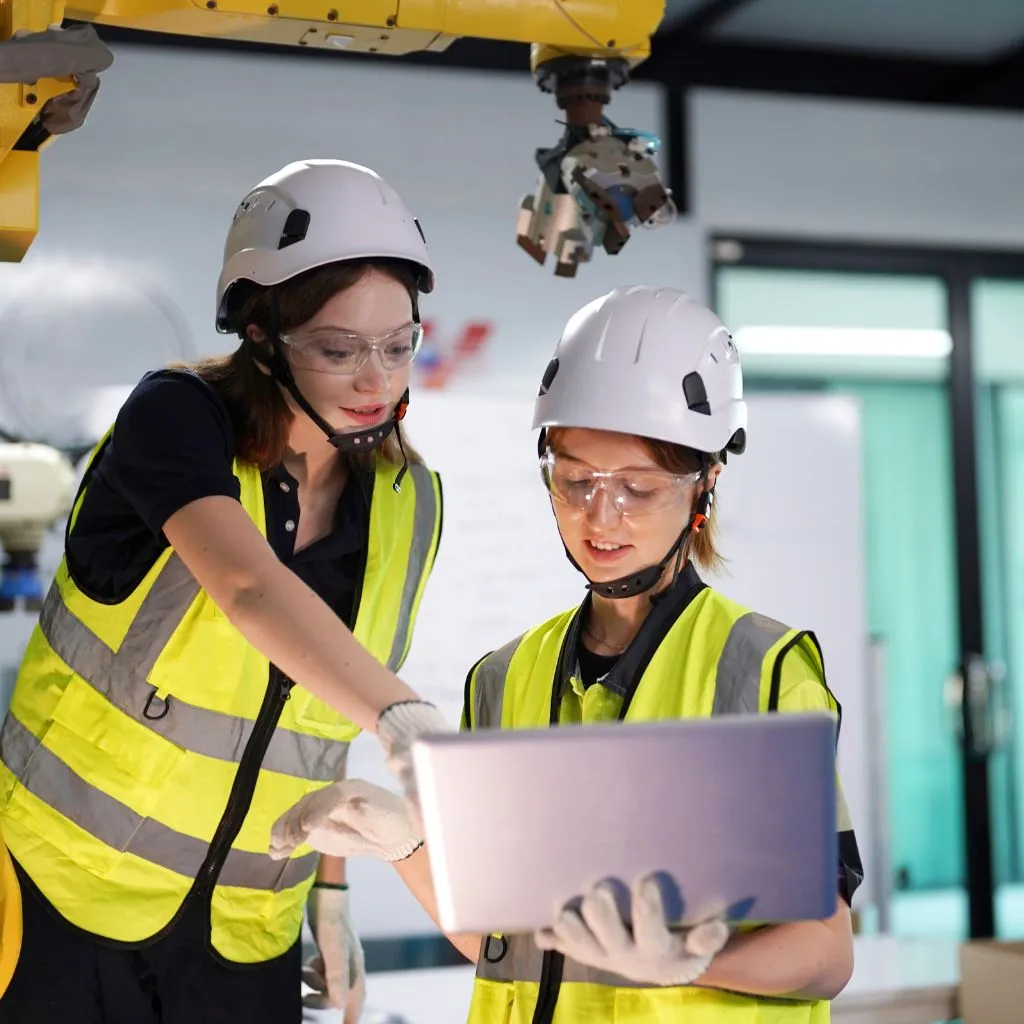
Today, construction, like many other industries in Albania, faces serious labour shortages. At the same time, the sector is going through a transition toward new technologies and higher safety and quality standards. Many jobs once considered physically demanding on construction sites have been eased and almost transformed into mechanical processes due to advances in technology and machinery. In this context, excluding women is no longer merely an unacceptable prejudice. It is irrational.
Invisible stereotypes with daily consequences
Many girls and women do not exclude construction because they dislike it, but because from an early age they are told that “it is not for them.” This happens within families, in schools, in career guidance, and even in vocational training programmes themselves. The message is subtle but constant: this sector was not designed with girls and women at its centre. In many conversations we have had with parents in the context of our youth work, their refusal to allow their daughters to enter construction is immediate. It is a firm no, without discussion, even when we deconstruct the types of jobs a girl or woman could perform. Only when we mention that such work could be office-based do they seem to calm down and consider changing their minds.
These stereotypes do not disappear once a girl or woman enters the labour market. They appear in the way tasks are assigned, how work is evaluated, how safety is treated on construction sites, and how team relationships are built. For this reason, gender equality in construction cannot be reduced to statistics or quotas. It requires cultural change. During the preparation of the study on the inclusion of women and girls in the construction industry, when representatives of construction companies were asked how often they conducted training on gender equality and diversity, safety, care and respect in the workplace for men and women, and personal safety, all of them responded that they did not conduct such training.
Gender equality as a professional competence
One of the core ideas behind the WEC initiative and curriculum is that gender equality is not a theoretical “add-on,” but an essential professional competence. Understanding bias, building respectful communication, knowing labour rights, and creating safe and inclusive work environments are skills just as important as technical ones.
In this sense, building an inclusive workplace culture does not benefit only women. It improves collaboration, reduces conflict, increases safety, and strengthens the overall quality of work for everyone. A construction site that respects gender standards is usually a more professional site, one with integrity and real opportunities for professional growth.
From exclusion to empowerment
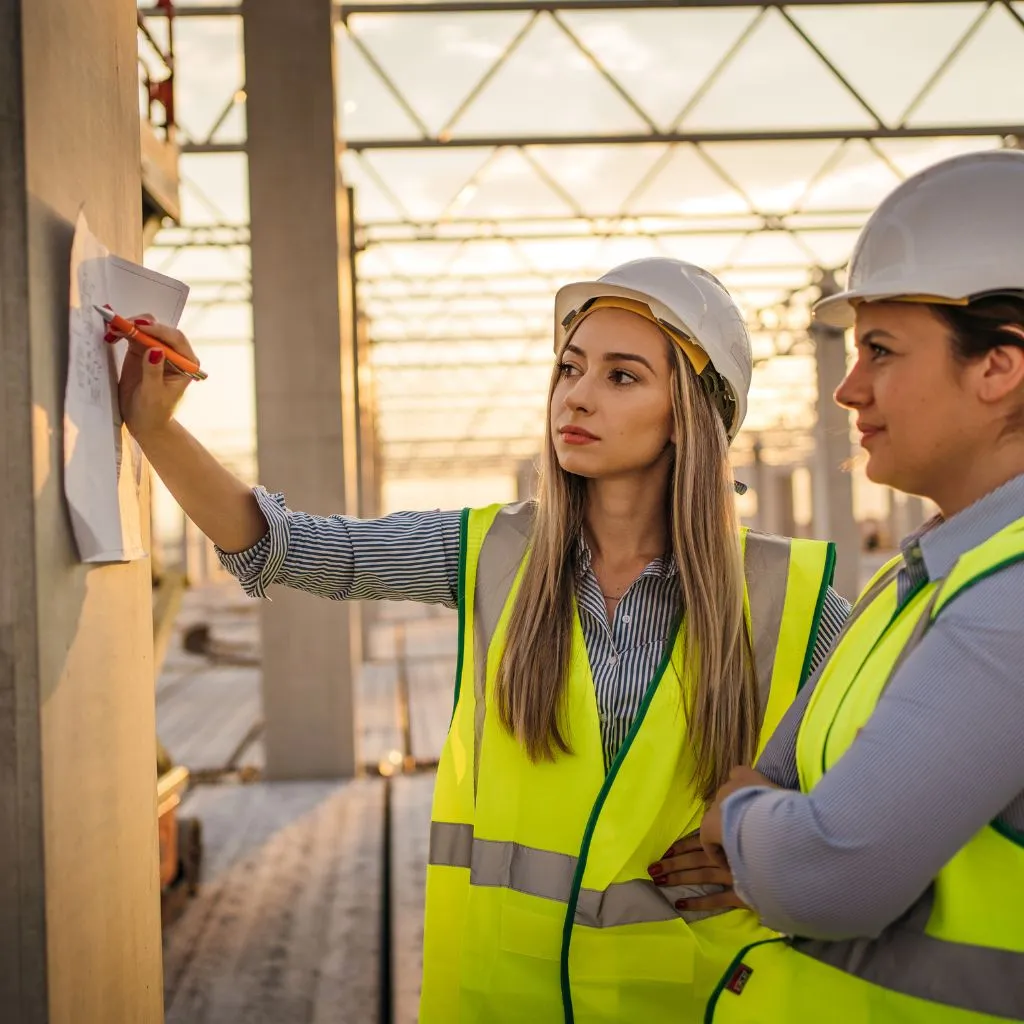
The WEC project sees the empowerment of women and girls in construction as a process closely linked to self-confidence, awareness of rights, and the development of skills to speak up, negotiate, and lead. Many women in this sector do not lack ability. They lack space to express their abilities. Data collected during the study show that an increasing number of girls and women are studying and graduating in fields closely related to the construction industry. The number of women as high-level professionals, especially architects, lawyers, and engineers, has been steadily increasing year after year.
As in any other profession, wherever women are treated as equal professionals rather than as exceptions, they bring new perspectives, attention to detail, a stronger approach to safety, and often more collaborative work models. These are not “female” qualities. They are good professional qualities that the business sector as a whole, and construction in particular, urgently need in order to grow and strengthen.
Change begins with knowledge and training
If we want to see more girls and women in construction, change must begin long before employment. Vocational training programmes must be built on the realities and needs of women, not on the outdated idea that one approach fits everyone. This means adopting new and participatory methodologies, offering real-life examples of how change can happen, promoting positive role models, and ensuring trainers are aware of the gender dimensions of work.
The new curriculum that CRCA Albania is preparing within the WEC project aims precisely at this: not only to prepare new workers, but to prepare confident, informed professionals capable of claiming their place in a sector that needs them. The more women and girls become involved in the construction industry, the more we will see this industry grow and strengthen.
In conclusion
Gender equality in construction is not an issue that concerns only “women.” It is about the quality of work, economic development, and the achievement of social justice. An industry that excludes half of its human potential cannot be modern, competitive, or sustainable. Investing in the inclusion of women and girls in construction means investing in a stronger, fairer, and more sustainable sector for our country.

Funded by the European Union. Views and opinions expressed are however those of the author(s) only and do not necessarily reflect those of the European Union or the European Education and Culture Executive Agency (EACEA). Neither the European Union nor EACEA can be held responsible for them.