Construction is physically and mentally demanding. Long hours, site-based work, strict project deadlines, and the weight of responsibility for safety and quality all take a cumulative toll. Workers who develop sustainable habits early in their careers are more likely to maintain high performance, avoid burnout, and remain in the industry for the long term.
What Work–Life Balance Actually Means
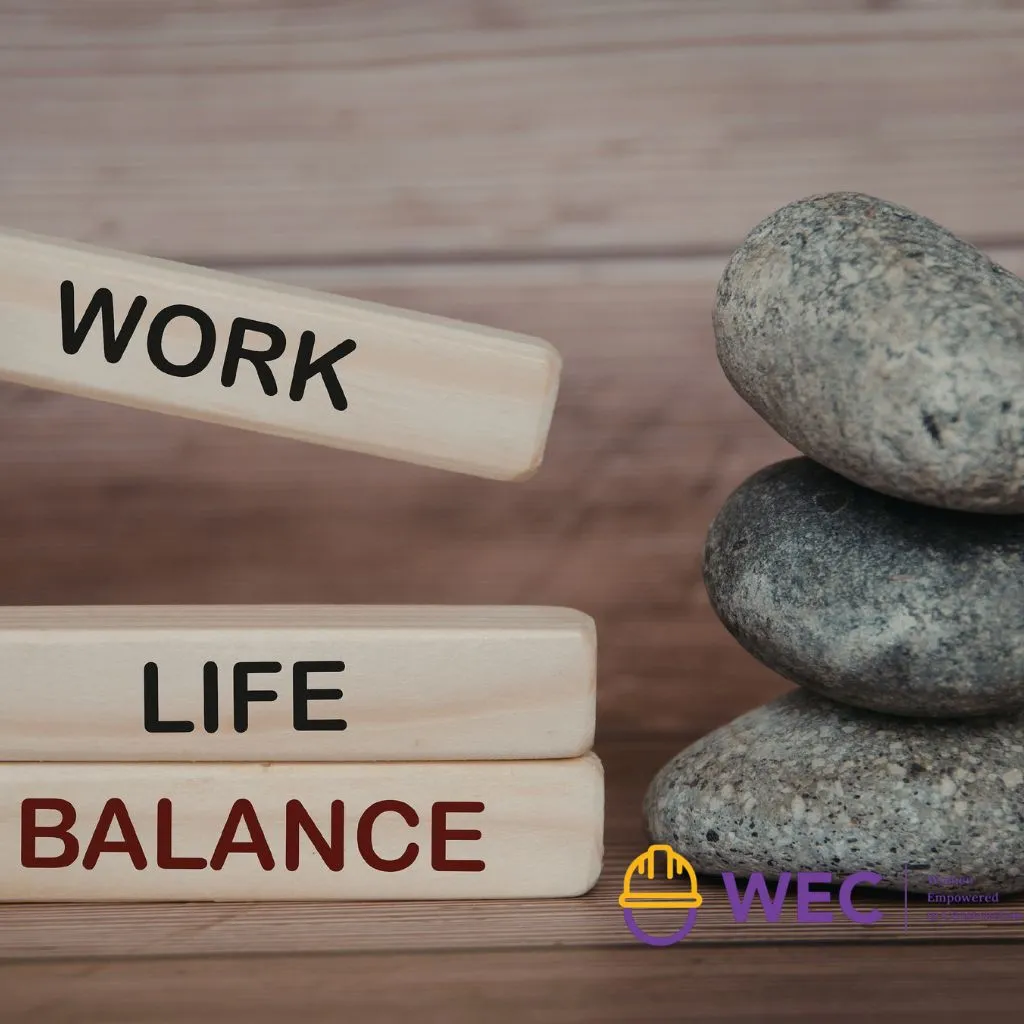
Work–life balance is not a fixed formula, and it is not the same as working fewer hours. It is a dynamic equilibrium between professional demands and personal recovery — an equilibrium that needs regular recalibration as projects, life circumstances, and personal needs change. What is sustainable during a quiet planning phase may be damaging during an intensive site push. The key skill is self-awareness: noticing when energy, concentration, or motivation is dropping, and taking corrective action before a crisis point. This might mean protecting evenings for genuine rest, using annual leave strategically rather than accumulating it, or having an honest conversation with a manager about an unsustainable workload.
The Science of Resilience
Resilience — the capacity to recover from setbacks and adapt effectively to adversity — is partly temperamental, but it is also a learnable and developable skill. Research identifies several modifiable resilience factors: a clear sense of purpose (understanding why your work matters and how it connects to values you hold), strong social connections (colleagues who provide support, mentors who offer perspective, family or friends who offer a context outside work), a growth mindset (treating difficulties as learning opportunities rather than evidence of inadequacy), and consistent physical self-care (sleep, exercise, and nutrition, all of which have direct effects on cognitive function and emotional regulation). These are professional infrastructure, not personal indulgences.
Recognising and Preventing Burnout
Burnout is characterised by three overlapping experiences: exhaustion (feeling chronically depleted), cynicism (emotional detachment from work that once felt meaningful), and reduced efficacy (feeling that effort no longer produces results). It develops gradually and is often invisible to the person experiencing it until it has become severe. Early warning signs include persistent fatigue that sleep does not resolve, increasing irritability with colleagues or clients, difficulty concentrating, and a growing sense that nothing you do makes a difference. Recognising these signs — in yourself and in team members — and responding with genuine support rather than exhortation to ‘push through’ is both a wellbeing and a performance issue.
Gender Dimensions of Wellbeing in Construction
For women in construction, resilience has an additional dimension: managing the cumulative toll of minority status. The cognitive and emotional effort of proving competence repeatedly, navigating bias, being the only woman in a room, or handling harassment while trying to maintain professional effectiveness is real and taxing — and often invisible to majority-group colleagues. Peer networks of women at similar career stages, access to mentors who understand this terrain, and employers who genuinely support flexible working and career breaks are not optional extras for this group — they are retention tools that the sector urgently needs if it is to benefit from the talent it currently loses.

Funded by the European Union. Views and opinions expressed are however those of the author(s) only and do not necessarily reflect those of the European Union or the European Education and Culture Executive Agency (EACEA). Neither the European Union nor EACEA can be held responsible for them.