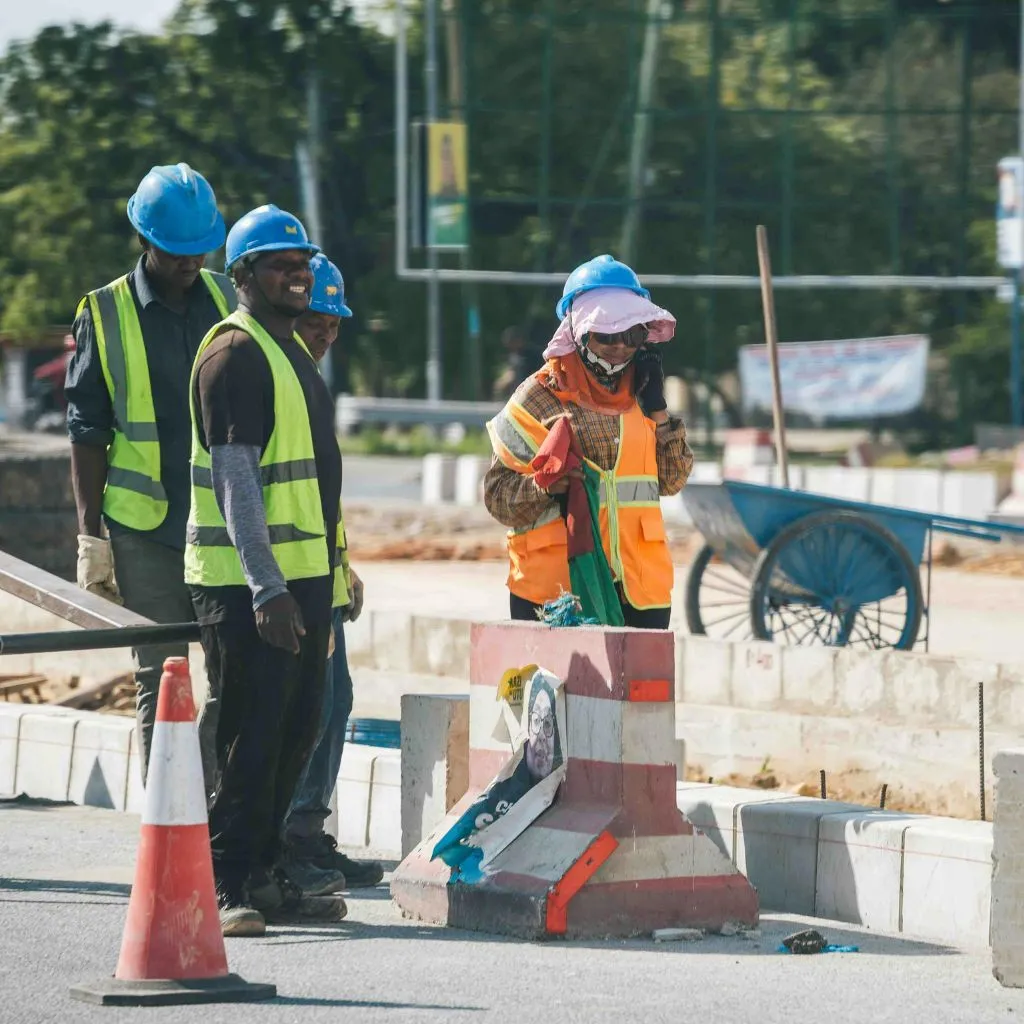
Construction is one of the most hazardous industries globally. Falls from height, struck-by incidents, electrical accidents, and harmful substance exposures account for the majority of serious injuries and fatalities on site. Understanding the health and safety legal framework — and your place within it — is a professional and moral obligation, not a bureaucratic formality.
The Regulatory Framework
The EU’s Framework Directive on Health and Safety at Work (89/391/EEC) established minimum standards that all member states must implement in national legislation. It requires employers to assess risks systematically, implement a hierarchy of preventive measures (elimination, substitution, engineering controls, administrative controls, PPE), provide information and training to workers, consult workers on safety matters, and keep records. Sector-specific directives — including the Temporary or Mobile Construction Sites Directive (92/57/EEC) — add requirements specific to construction, such as the appointment of a safety coordinator on sites where multiple contractors are present.
Risk Assessment: The Foundation of Safe Working
Risk assessment is the cornerstone of the prevention system. A meaningful risk assessment identifies the hazards present in a task or environment (anything with potential to cause harm), evaluates the likelihood and severity of harm if those hazards are not controlled, and specifies the control measures that will reduce risk to the lowest level that is reasonably practicable. Crucially, workers should be involved in this process — those carrying out the task often perceive hazards that are invisible to managers who observe from a distance. Risk assessments must be reviewed when conditions change, when an incident occurs, or at least annually.
Worker Rights and Duties
Health and safety law creates rights and duties on both sides of the employment relationship. Employers must provide a safe system of work, adequate training and information, appropriate equipment, and welfare facilities. Workers have a duty to follow safety instructions, use PPE correctly, not interfere with safety measures, and report hazards, near-misses, and incidents without delay. Critically, workers also have the right to stop work and leave a dangerous situation without being penalised — a right that is frequently underused because workers fear retaliation. This right exists precisely because removing the fear of retaliation is essential to a functioning safety culture.
Reporting and Safety Culture
A near-miss reported today may prevent a fatality tomorrow. The willingness of workers to report hazards and incidents — without fear of blame or punishment — is the single most reliable indicator of a healthy safety culture. Organisations with high near-miss reporting rates typically have lower serious incident rates than those where under-reporting is the norm. Building this culture requires leadership behaviour that consistently responds to reports with investigation and improvement rather than defensiveness or blame. Where this culture does not exist internally, workers can report concerns to national labour inspectorates, who have investigative powers and can require corrective action without requiring the reporting worker to be identified.

Funded by the European Union. Views and opinions expressed are however those of the author(s) only and do not necessarily reflect those of the European Union or the European Education and Culture Executive Agency (EACEA). Neither the European Union nor EACEA can be held responsible for them.