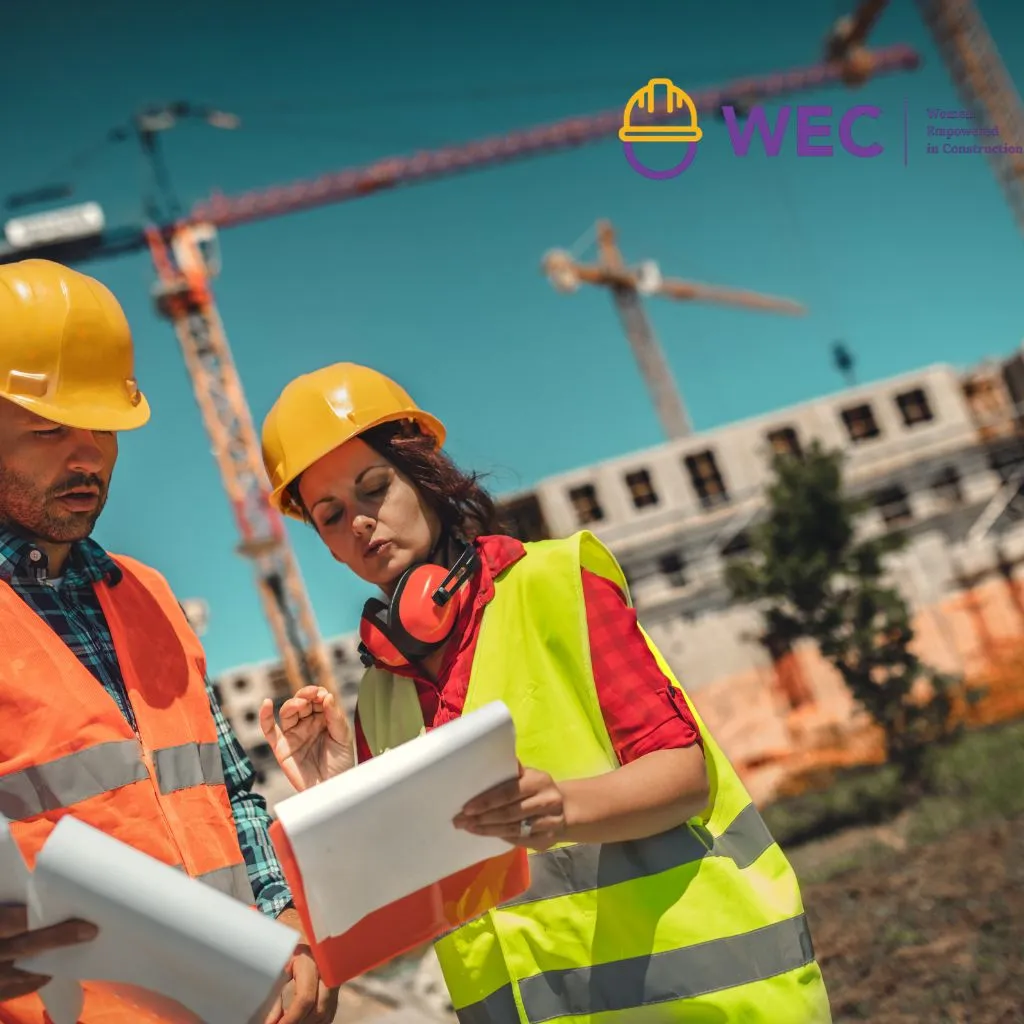
For most of construction’s history, safety standards, tools, and equipment have been designed around a single reference: a man of average male height and build. The practical consequences for women and others whose bodies do not match this template are not merely inconvenient — they are genuine safety hazards that increase injury risk and contribute to workforce attrition.
The PPE Problem
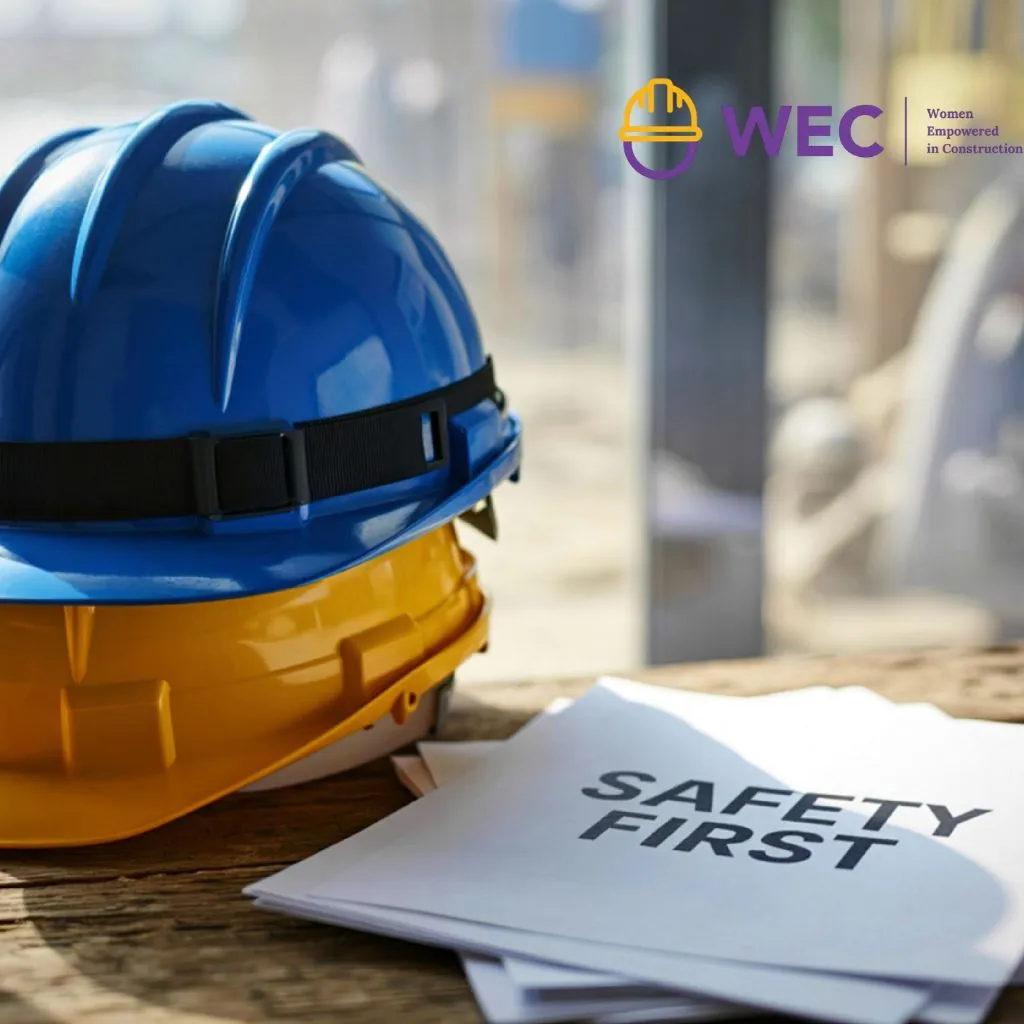
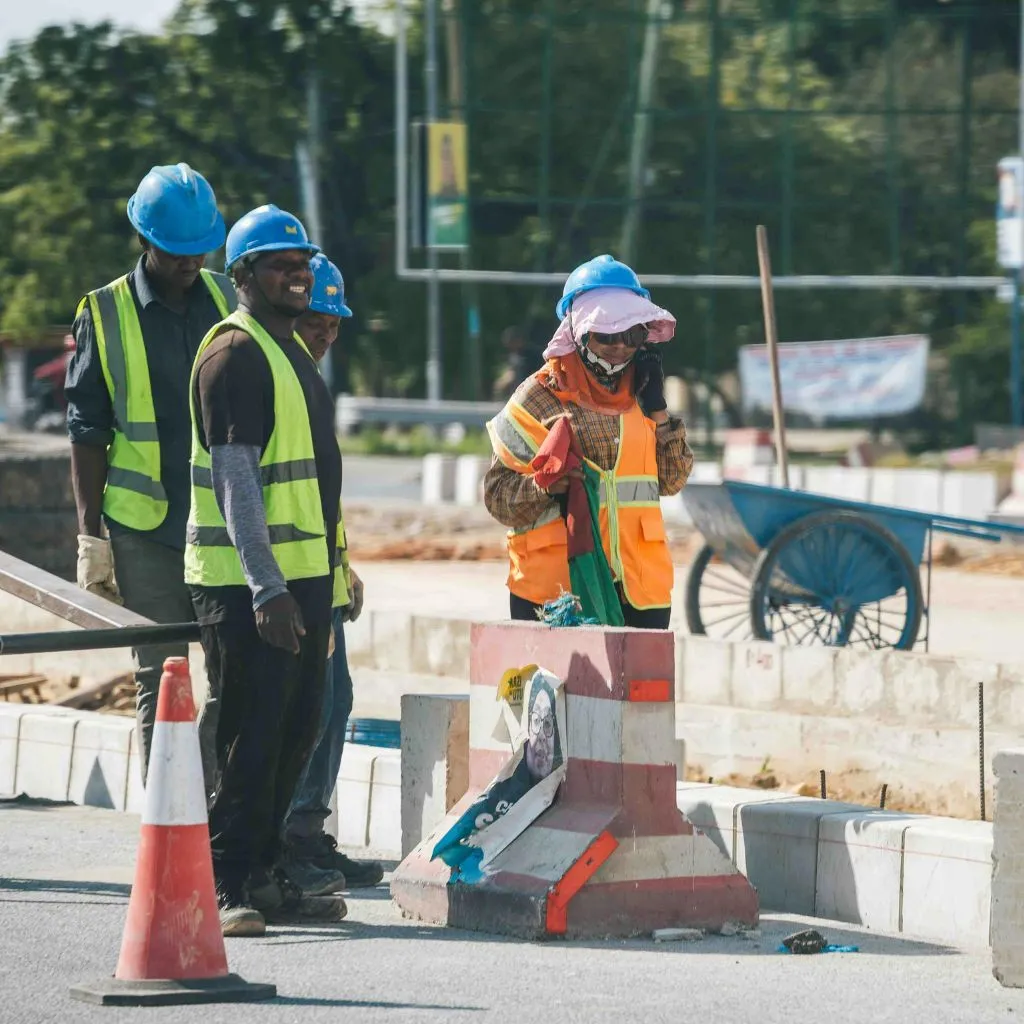
Personal protective equipment that does not fit correctly fails to protect. A hard hat that is too large shifts on impact and provides inadequate protection; gloves that are oversized reduce grip and dexterity; high-visibility vests that are designed for male torsos gap at critical points; safety boots that are too wide cause blistering and instability on uneven terrain. EU standards for PPE (Regulation (EU) 2016/425) require that equipment be adequate for the purpose for which it is intended, which includes fitting the user correctly. Employers are legally obligated to provide correctly fitting PPE — this is not a preference or an aspiration. Yet surveys consistently find that women workers in construction regularly cannot access PPE in appropriate sizes.
Ergonomic Risks and Tool Design
Ergonomic hazards affect all construction workers, but their distribution is shaped by body dimensions. Many standard tools — drill handles, screwdrivers, pipe wrenches — are calibrated to male average hand size, requiring smaller-handed users to exert greater grip force to achieve the same control. Over time, this disproportionate exertion contributes to musculoskeletal disorders: repetitive strain injuries, carpal tunnel syndrome, and shoulder and back problems. Adjustable workstations, varied grip-size tools, and systematic task rotation reduce these risks for all workers while disproportionately benefiting those whom standard equipment excludes.
Mental Health as a Safety Issue
Mental health is inseparable from physical safety. Workers who are experiencing depression, anxiety, or extreme stress make more errors, have slower reaction times, and are more likely to take shortcuts that increase injury risk. Construction has among the highest rates of depression and suicide of any industry in Europe, predominantly among male workers — a pattern linked to workplace culture, job insecurity, and the stigma attached to mental health disclosure in traditionally masculine environments. Women face additional stressors specific to minority status: isolation, harassment, the effort of navigating a hostile culture, and limited peer support. Employers who address mental health openly — through accessible support programmes, manageable workloads, and genuine no-stigma cultures — see measurable returns in safety performance and retention.
Welfare Facilities and Practical Inclusion
The provision of adequate welfare facilities — changing rooms with lockable storage, separate toilet facilities, clean rest areas — is both a legal requirement and a basic condition of human dignity. On many sites, these provisions are absent or inadequate for workers other than men. The consequences extend beyond discomfort: inadequate toilet provision is associated with urinary tract infections, dehydration (workers restrict fluid intake to reduce the need for toilet breaks), and the sense that the workplace was not designed with you in mind. Addressing these gaps is not an expensive or complex undertaking — it is a question of whether an organisation treats all of its workers as fully human.

Funded by the European Union. Views and opinions expressed are however those of the author(s) only and do not necessarily reflect those of the European Union or the European Education and Culture Executive Agency (EACEA). Neither the European Union nor EACEA can be held responsible for them.