
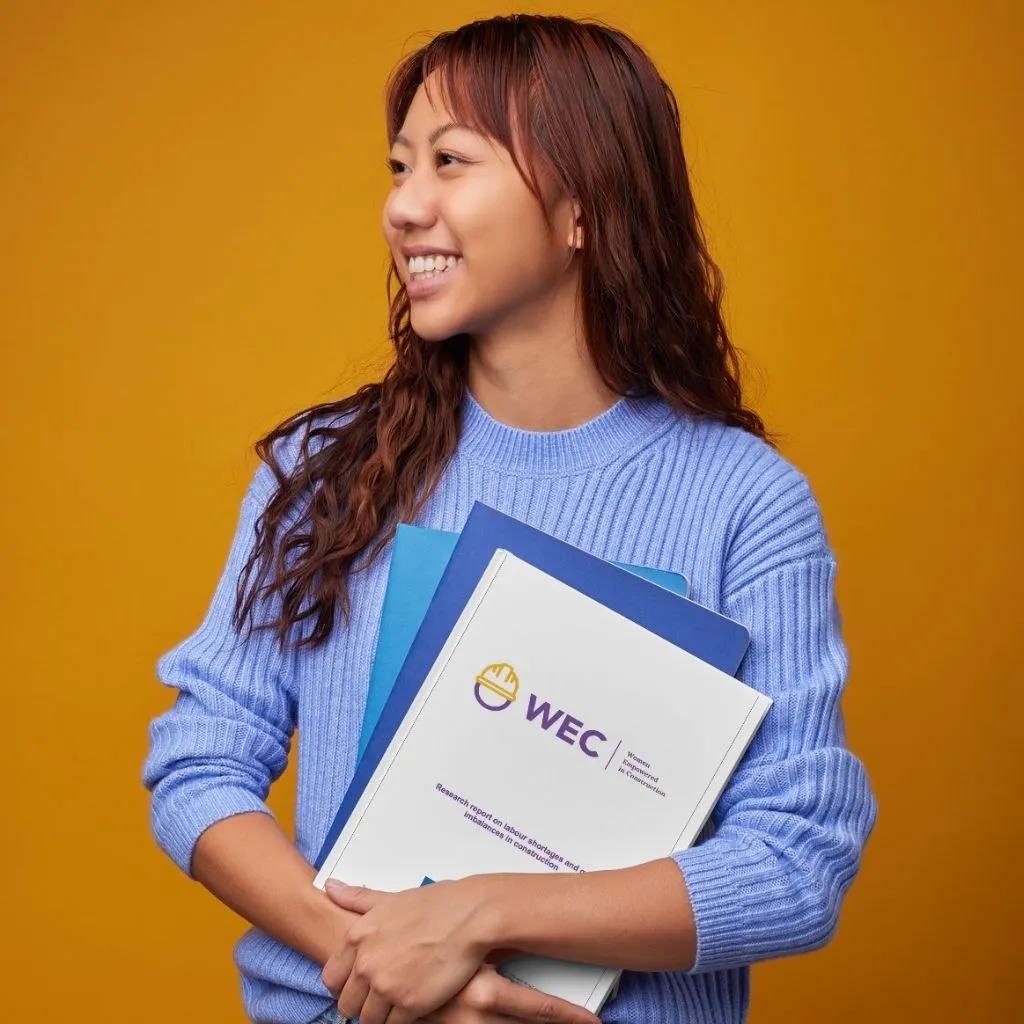
The construction sector is the backbone of Europe’s economic and social development, building not just infrastructure, but also opportunities for growth, innovation, and sustainability. Yet today it faces two pressing challenges: chronic labour shortages and a persistent gender imbalance.
Our recent transnational study, carried out under the Women Empowered in Construction (WEC) project, sheds light on these critical issues across seven countries: Ireland, Croatia, Lithuania, Montenegro, Germany, Bosnia and Herzegovina, and Albania.
Across all countries studied, labour shortages are acute:
These shortages are compounded by demographic decline, ageing workforces, and emigration. For example, Lithuania expects its working-age population to shrink by 30% by 2050. Meanwhile, many countries rely on migrant labour to fill gaps, creating both opportunities and dependencies.
Despite the demand for workers, women remain starkly underrepresented in construction. The study found female participation clustered between 8–14% of the workforce across most countries – and below 5% in Albania
Even in progressive labour markets, women on construction sites remain rare:
This imbalance is not just a social issue – it’s an economic one. As industry leaders have warned, Europe “cannot afford to leave half the talent on the sidelines.”
The research makes it clear:
Our report highlights several strategic recommendations:
The Women Empowered in Construction (WEC) project is committed to addressing these challenges. By developing innovative training programs, sharing best practices, and promoting diversity, we aim to transform the sector into one that is sustainable, equitable, and future-ready.
The findings are clear: solving labour shortages and closing the gender gap in construction is not just about fairness – it’s about securing the sector’s future and driving Europe’s green and digital transition.

Funded by the European Union. Views and opinions expressed are however those of the author(s) only and do not necessarily reflect those of the European Union or the European Education and Culture Executive Agency (EACEA). Neither the European Union nor EACEA can be held responsible for them.