Animated video guides for educators
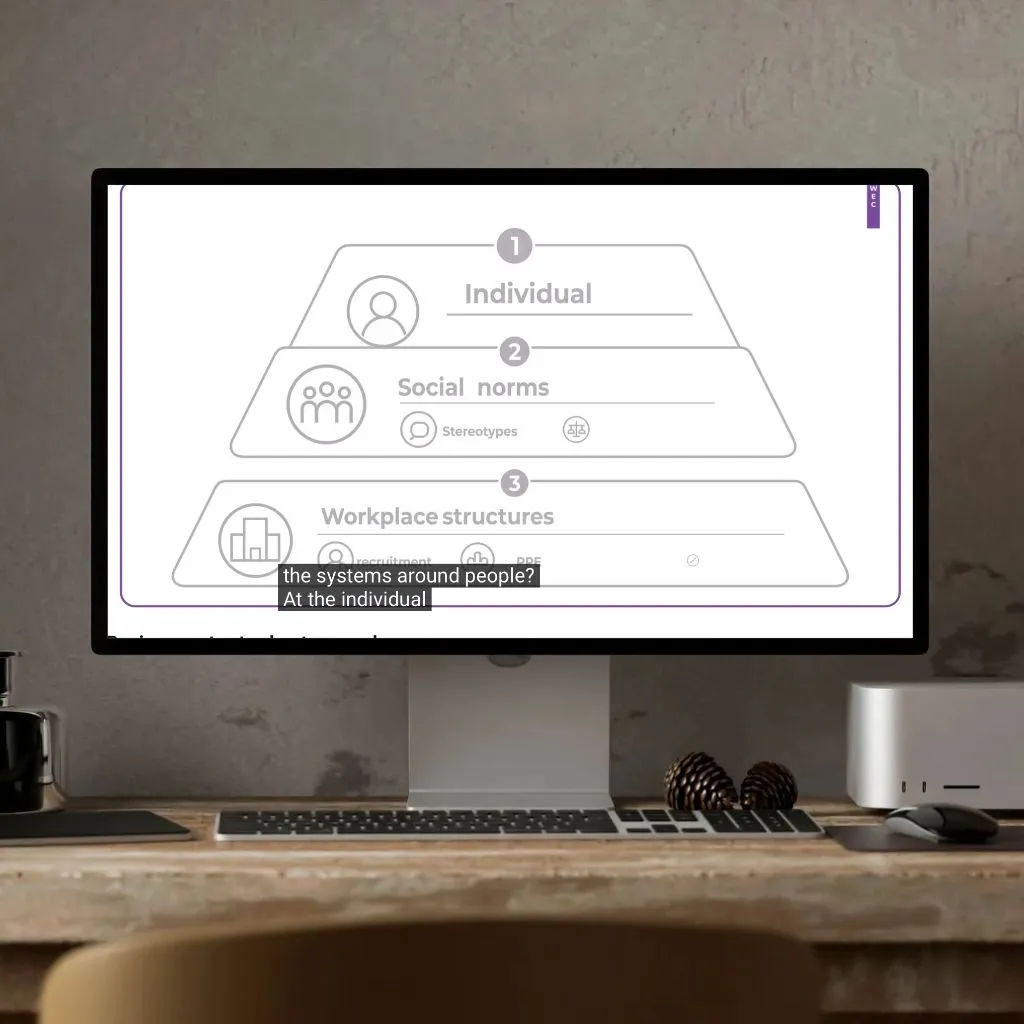
Deliverable D4.2 provides educators with a set of short animated video guides that illustrate key concepts of the WEC VET curriculum in an accessible, visual format. In line with the Grant Agreement, the deliverable consists of 12 minutes of animation, produced as 12 one-minute guides – three for each of the four curriculum modules.
Each guide follows the same five-part structure and closes with a practical educator prompt, so it can be used directly in classroom settings, workshops and online learning. The videos are produced in English and published on the public WEC YouTube channel, from where they are embedded in the WEC platform and shared through partner channels. Translations will be provided as subtitles in the six languages of the partnership (German, Lithuanian, Albanian, Bosnian, Croatian and Montenegrin).

Breaking down gender barriers in construction requires more than raising awareness — it demands practical skills, inclusive teaching approaches, and real opportunities for women to build successful careers. This comprehensive Training Manual, “Promoting Gender Equality, Professional Competence and Entrepreneurship for Women in the Construction Sector”, equips educators, trainers, and VET providers with structured learning sessions, interactive activities, and practical guidance to turn gender equality into everyday professional practice.
Developed within the Women Empowered in Construction (WEC) project, the manual combines gender-sensitive vocational education, experiential learning, real-world scenarios, and competence-based development to address workplace discrimination, strengthen professional confidence, and foster leadership and entrepreneurship. Designed for flexible use across formal, non-formal, and blended learning environments, it provides a practical roadmap for empowering women, transforming workplace cultures, and building a more inclusive, skilled, and future-ready construction workforce.

The WEC project has developed a comprehensive vocational education and training toolkit for learners, VET educators, and construction companies working toward gender equality in the sector. This post presents all sixteen tools across Modules 1–4, now available in interactive digital format.
Each tool has been digitised from the original print-based WEC Toolkit and rebuilt as a standalone, browser-based interactive resource. They run directly in any web browser with no installation required, work on desktop and mobile, and are designed for both self-guided use and trainer-led sessions. Where tools include personal reflection, planning, or completed records, users can save their work as a PDF directly from the browser — no personal data is collected or stored.
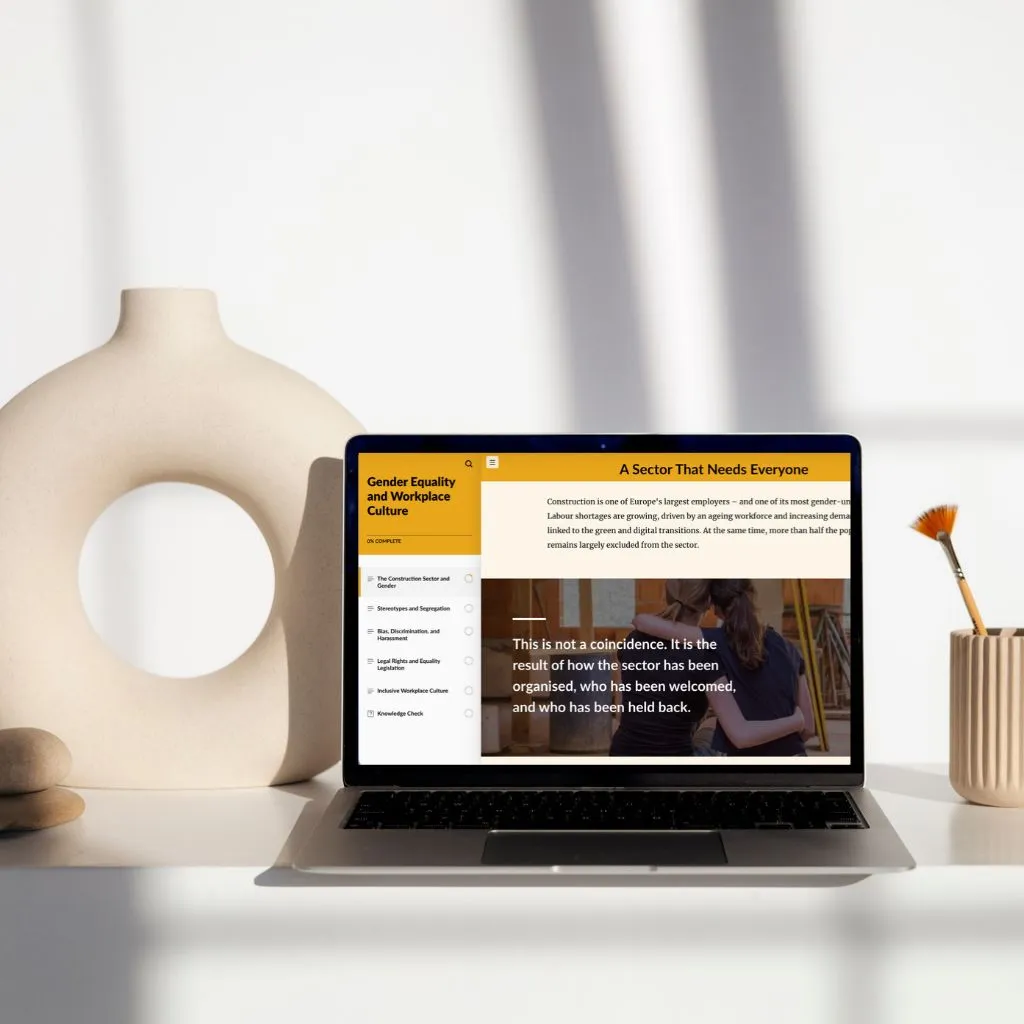
Module 1: Gender Equality and Workplace Culture brings together four tools that address inclusion at the organisational and individual level. Tool 1 helps construction companies run a structured self-audit across eight inclusion dimensions and identify concrete priority actions for the next 90 days. Tool 2 supports learners in recognising and distinguishing bias, discrimination, and harassment through scenario analysis, a myth-buster with flip cards, and a take-home rights summary. Tool 3 uses eight realistic on-site scenario cards to practise response and reasoning before revealing what each option tends to achieve. Tool 4 guides learners through personal goal-setting, an allyship checklist, and a signed pledge with a built-in review date.
Module 2: Career Development covers four tools focused on professional growth and workplace skills. Tool 5 maps four career routes in construction across four stages, shows how they connect, and helps learners plan a realistic next step with a personal Goals Map. Tool 6 combines a soft-skills self-assessment wheel — which visualises strengths and gaps across six leadership areas — with project-management fundamentals and an interactive Gantt planner. Tool 7 is a communication playbook covering assertiveness, the three-part message structure, script cards for common site situations, and a structured conversation planner. Tool 8 helps learners build an interactive support network map, understand the different roles of mentors, sponsors, and peers, and develop a personal resilience plan.
Module 3: Health and Safety from a Gender Perspective provides four tools that apply both standard and gender-sensitive lenses to site safety. Tool 9 walks through the five-step risk assessment cycle, adds a gender lens at each step, identifies six hot spots where construction risks fall unevenly, and includes an interactive worksheet for assessing a real task. Tool 10 covers the full hierarchy of controls, explains why PPE fit is a safety issue rather than a comfort one, and provides a head-to-toe interactive fit check for every item. Tool 11 is a dual-lens safety walk covering both physical conditions and inclusive culture, with a structured record sheet for observations, owners, and actions. Tool 12 explains what is worth reporting, why near-misses are the most valuable reports, and how to build a no-blame reporting culture — with an interactive hazard pyramid and a simple report form.
Module 4: Technical Skills and Entrepreneurship covers four tools that support learners in building future skills and, for those who choose it, starting their own work. Tool 13 maps the four areas of future skills in construction — digital, green, modern methods, and the human core — with an interactive skills map that tracks what you have, what you are building, and what you want to learn, plus a one-skill action plan. Tool 14 demystifies entrepreneurship, compares employment, subcontracting, and self-employment honestly, and provides a nine-box Business Model Canvas structured around four plain questions. Tool 15 combines financial literacy and marketing in one tool, with a smart money calculator that auto-calculates what is left after costs and set-aside, and a practical customers plan. Tool 16 is the final tool in the toolkit: it covers the legal basics of starting out, provides a one-page business plan template, and includes an interactive launch checklist with group-by-group progress tracking and a support map.

A structured self-audit that scores your organisation's inclusion of women across eight dimensions and identifies priority actions for the next 90 days.

A self-study pack that builds the skill of recognising bias, discrimination, and harassment in everyday construction-sector situations, including scenario analysis, a myth-buster, and a rights summary.

Eight realistic construction scenarios, each with three possible responses — choose your answer, then reveal what each option tends to achieve in practice.

A personal worksheet for turning learning into action: set one or two goals, select allyship commitments, and sign a pledge to do one thing differently.

An interactive career map across four construction routes and four stages, showing how paths connect and helping learners plan a realistic next step.

A dual leadership toolkit covering the soft skills to lead yourself — with an interactive self-assessment wheel — and the project-management basics to plan and run a job.

A practical playbook of communication frameworks, script cards for common site situations, and a planner for preparing one real conversation you need to have.

A starter kit for building the support network around you — mapping mentors, sponsors, and peers — alongside a resilience plan for protecting your energy and bouncing back from setbacks.

A structured worksheet that applies a gender lens to the standard five-step risk assessment cycle, helping sites spot the hazards that traditional assessments miss.

A head-to-toe PPE fit check with an interactive checklist that tracks which items fit and which need action, covering every item from helmet to harness.

A dual-lens site safety walk that checks both physical conditions and inclusive culture, with a structured record sheet for observations, owners, and follow-up actions.

A practical guide to reporting incidents, near-misses, and wellbeing concerns — with an interactive pyramid, a no-blame culture framework, and a simple report form to complete and hand in.

An interactive skills map across four future-skill areas, with a live summary of what you have, what you're building, and what you want to learn — plus a one-skill action plan.

A nine-box Business Model Canvas in linear format, structured around four plain questions — offer, customers, money, and what it takes — with guidance on the three ways of working in construction.

A combined financial literacy and marketing tool with a smart money calculator (auto-calculates what's left after costs and set-aside) and a practical plan for finding and keeping customers.

The final tool in the WEC Digital Toolkit: legal basics for starting out, a six-question one-page plan, a twelve-step launch checklist with live group and overall progress tracking, and a support map for knowing where to get help.
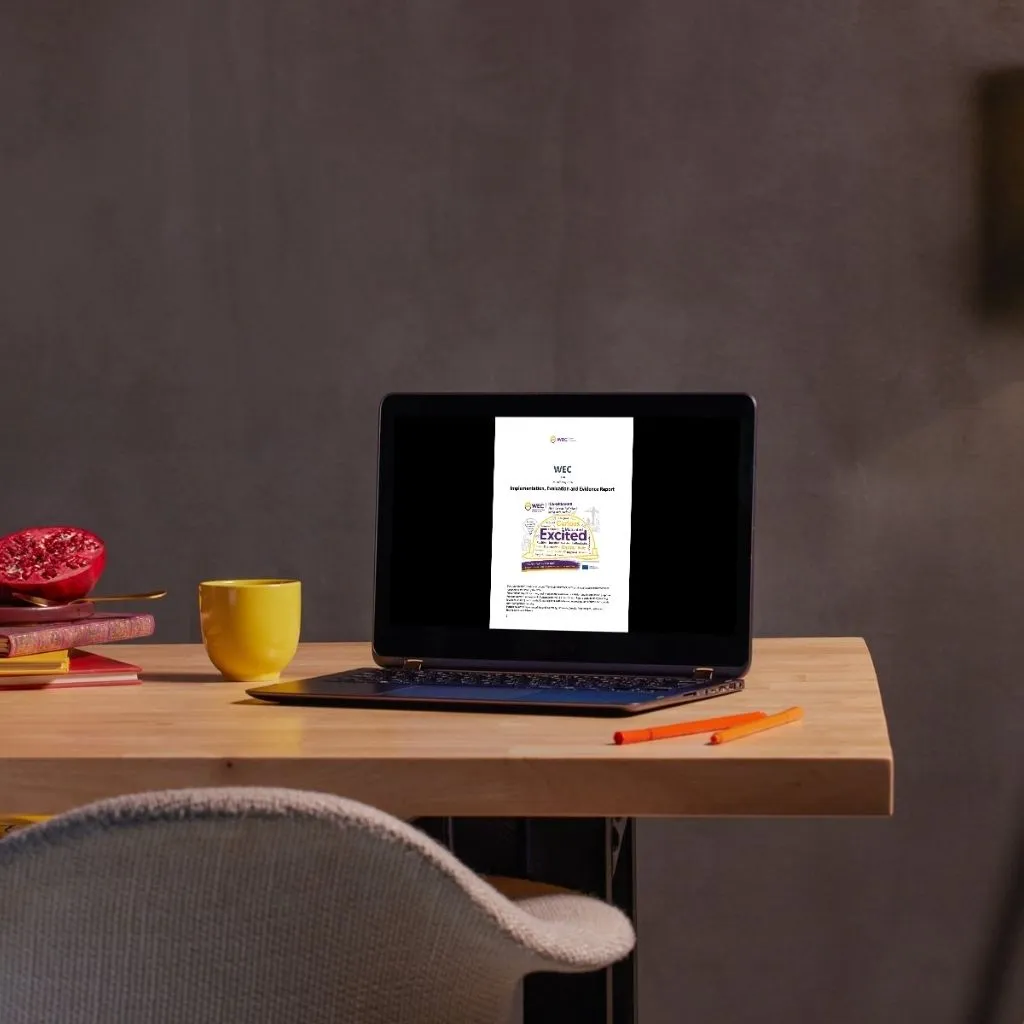
Transforming construction education starts with equipping educators and trainers with the skills, confidence, and practical tools to make the sector more inclusive, innovative, and accessible to women. This Implementation, Evaluation and Evidence Report documents the Women Empowered in Construction (WEC) Learning, Teaching and Training Activity (LTTA), bringing together 21 participants from seven European and Western Balkan countries to test innovative learning approaches and validate the project’s emerging VET curriculum.
Drawing on six days of experiential learning, industry engagement, international exchange, and participant evaluation, the report captures key achievements, learning outcomes, and evidence-based recommendations across gender equality, leadership, workplace wellbeing, digital construction technologies, and entrepreneurship. More than a record of training activities, it provides a practical foundation for refining inclusive educational resources, strengthening educators’ capacities, and turning gender equality commitments into meaningful change across Europe’s construction sector.
As part of Deliverable 4.1, the WEC consortium has successfully developed a comprehensive Training Toolbox designed to support the implementation of the WEC curriculum in a variety of educational and professional settings. In line with the project application, the toolbox consists of 16 practical tools, organised across the four curriculum modules, with four tools accompanying each module.
These resources provide VET educators, trainers, mentors and construction companies with practical, interactive materials that complement the curriculum and facilitate the delivery of engaging learning experiences. The toolbox has been designed to promote active participation, skills development and the practical application of the knowledge gained through the WEC training programme.


Europe’s construction sector cannot solve its labour crisis without changing how it trains, recruits, and includes women. This Needs Assessment Report maps the real gaps holding the sector back — from outdated training models to weak education-to-employment pathways and gender-blind systems.
Building on extensive research across seven EU and Western Balkan countries, the report identifies the priority skills, structural barriers, and institutional changes needed to modernise vocational education and unlock women’s participation in construction. Designed as a strategic compass for action, it directly informs the development of inclusive, future-ready VET curricula that respond to labour shortages, the green transition, and the urgent need for gender equality in the sector.
Across Europe and the Western Balkans, vocational education in construction is evolving — but not always in step with labour market needs or gender equality goals. This mapping report provides a clear, comparative overview of existing VET programmes and resources shaping the construction workforce today.
Drawing on institutional data and programme analysis from seven countries, the report highlights where current training systems are strong, where critical gaps remain, and how far they integrate gender inclusion, digital skills, and sustainability. By identifying good practices alongside structural shortcomings, it lays the evidence-based foundation for designing more inclusive, future-oriented VET pathways and empowering more women to enter and thrive in the construction sector.

Europe’s construction sector is running out of workers – and overlooking half of its potential talent. This research report reveals how labour shortages and deep-rooted gender imbalances are reshaping one of Europe’s most important industries.
Based on evidence from seven European and Western Balkan countries, the report uncovers why women remain underrepresented in construction and how inclusive vocational training, smarter policies, and targeted support can unlock a stronger, more resilient workforce. Designed for policymakers, educators, and industry leaders, it offers clear insights and practical direction for building a future-ready, gender-balanced construction sector.

Funded by the European Union. Views and opinions expressed are however those of the author(s) only and do not necessarily reflect those of the European Union or the European Education and Culture Executive Agency (EACEA). Neither the European Union nor EACEA can be held responsible for them.