Needs Assessment Report: Gender Inequality and Labour Shortages in the Construction Sector in Bosnia and Herzegovina

Needs Assessment Report: Gender Inequality and Labour Shortages in the Construction Sector in Bosnia and Herzegovina

The construction sector in Bosnia and Herzegovina is facing a dual structural challenge: a persistent shortage of qualified labour and a deeply rooted gender imbalance that continues to limit women’s participation. This needs assessment report brings together quantitative labour market data, educational statistics, secondary research, and qualitative insights from key stakeholders to provide an evidence-based overview of the current situation and identify priorities for change.


Labour shortages and gender imbalance: a structural problem

Women remain a clear minority in the construction sector in Bosnia and Herzegovina. Available data indicate that they make up around 10% of the total construction workforce, with the vast majority employed in administrative, office-based, or technical support roles. Site-based positions, skilled trades, and leadership roles continue to be dominated by men.


At the end of September 2023, 40,813 people were employed in construction in Bosnia and Herzegovina, including 4,291 women, confirming the limited female presence in the sector. While some growth has been recorded in recent years, particularly in Republika Srpska, this increase remains modest and insufficient to change the overall gender structure of the workforce.


Insights from employment services: unemployment and gender gaps

Data collected from cantonal employment services reveal persistent gender disparities among unemployed persons with construction-related qualifications. In all reporting cantons, men significantly outnumber women. For example:

  • Zenica-Doboj Canton: 21% women, 79% men
  • Tuzla Canton: 26% women, 74% men
  • Herzegovina-Neretva Canton: 22% women, 78% men


A particularly striking finding comes from Zenica-Doboj Canton, where women represent only 10.5% of jobseekers with craft-level construction qualifications, highlighting a pronounced gender gap in vocational trades.


Data from the Employment Service of Republika Srpska further underline this imbalance. In 2024, 1,223 individuals were removed from the unemployment register from the construction sector, of whom only 11.5% were women, suggesting that women benefit far less from employment opportunities even when vacancies exist.


Education trends: growing interest, weak transition to employment

In contrast to labour market outcomes, educational data present a more nuanced and, in some cases, encouraging picture. Several secondary schools and higher education institutions report a significant share of female students, and in some cases even a female majority, in construction-related programmes.


Notably, the Faculty of Civil Engineering at the University “Džemal Bijedić” in Mostar reports 52% female students, a rare example of gender balance in construction-related higher education. Similar trends are observed in several technical secondary schools, where female enrolment equals or slightly exceeds that of male students.


However, this growing interest among young women is not translating into proportional employment outcomes. A clear gap persists between education and the labour market, indicating structural barriers that prevent women from entering and remaining in the construction workforce after completing their studies.


Experiences of women in construction: barriers beyond statistics

Qualitative interviews with women working in construction-related roles highlight challenges that go beyond numerical underrepresentation. Stakeholders consistently point to:

  • Persistent stereotypes portraying construction as a “male” profession
  • Lack of respect and authority for women in supervisory and site-based roles
  • Limited career progression and a pronounced “glass ceiling”
  • Workplace discrimination and harassment, often underreported
  • Structural disadvantages for mothers, including inadequate maternity protections and limited flexibility


Despite legal frameworks guaranteeing gender equality, enforcement remains inconsistent, and most gender-equality initiatives in construction are driven by donor-funded projects rather than embedded public policy.


Skills gaps and outdated education pathways

Labour shortages in construction are exacerbated by skills mismatches and outdated curricula. Stakeholders emphasise that both secondary and higher education programmes lack sufficient practical training, leaving graduates unprepared for real-world construction work. Employers are often required to invest significant time and resources in retraining new hires.


This gap is further widened by emigration, as skilled workers leave the country in search of better wages and working conditions abroad. As a result, construction projects face delays, productivity losses, and increased pressure on the remaining workforce.


Key priorities for change

The findings of this needs assessment point to several priority areas for intervention:

  • Strengthening the link between education and employment through practical training, internships, and cooperation with construction companies
  • Promoting women as visible role models in construction to challenge stereotypes and inspire future generations
  • Improving workplace conditions, including flexible work arrangements and fully protected maternity leave
  • Modernising curricula to include practical, market-relevant skills
  • Strengthening enforcement of gender equality legislation and embedding inclusion measures into public policy


Conclusion

The construction sector in Bosnia and Herzegovina stands at a critical crossroads. Labour shortages threaten its long-term sustainability, while gender inequality continues to exclude a significant portion of the potential workforce. Although education trends suggest growing interest among women, systemic barriers prevent this potential from being realised.

Addressing these challenges is not only a matter of social justice, but also an economic necessity. Creating pathways for women to enter, remain, and progress in construction is essential for building a more resilient, inclusive, and future-ready sector.
Gallery

Wrapping up 2025: partners meet to plan the next steps for Women in Construction

Wrapping up 2025: partners meet to plan the next steps for Women in Construction

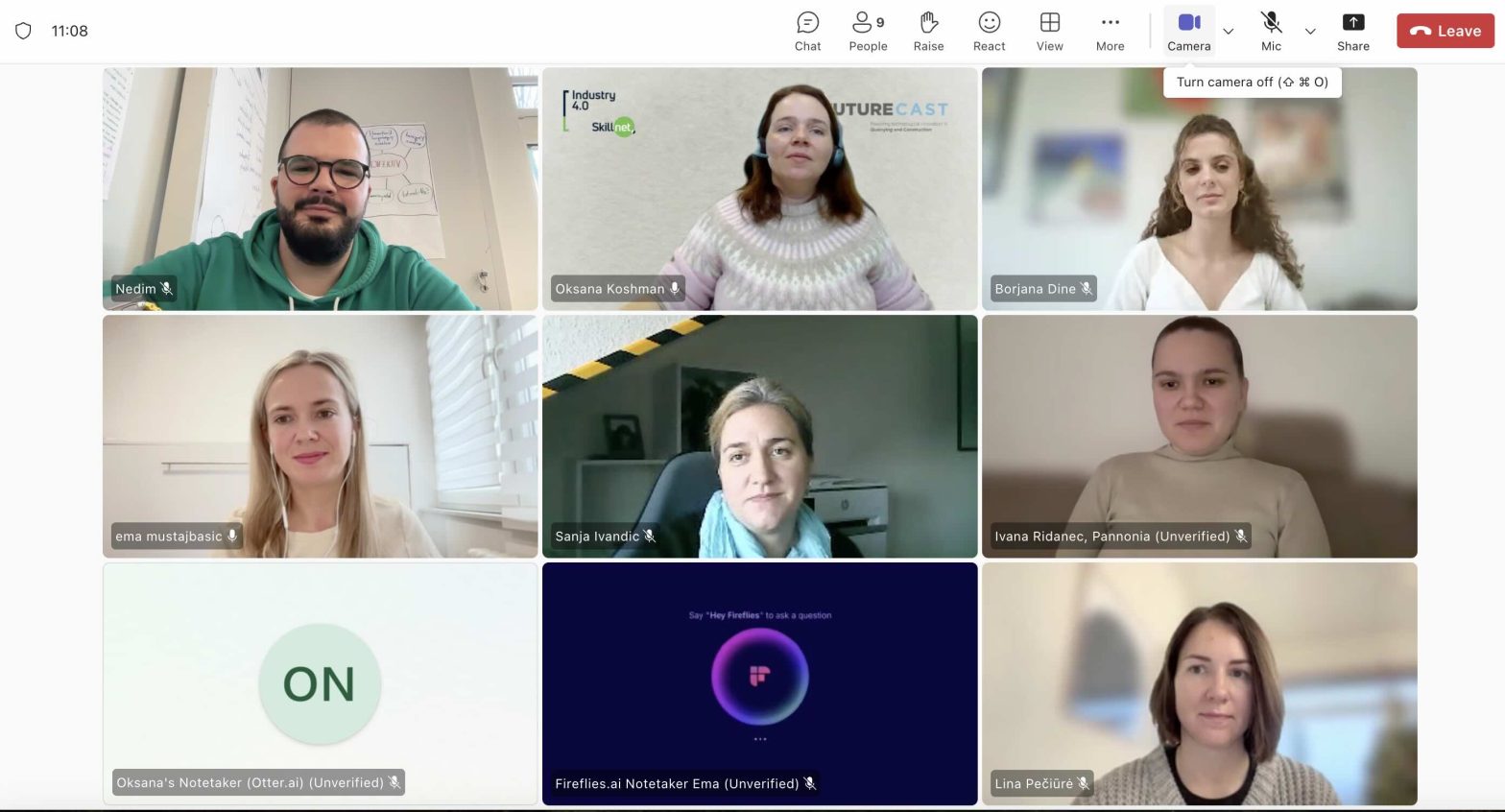
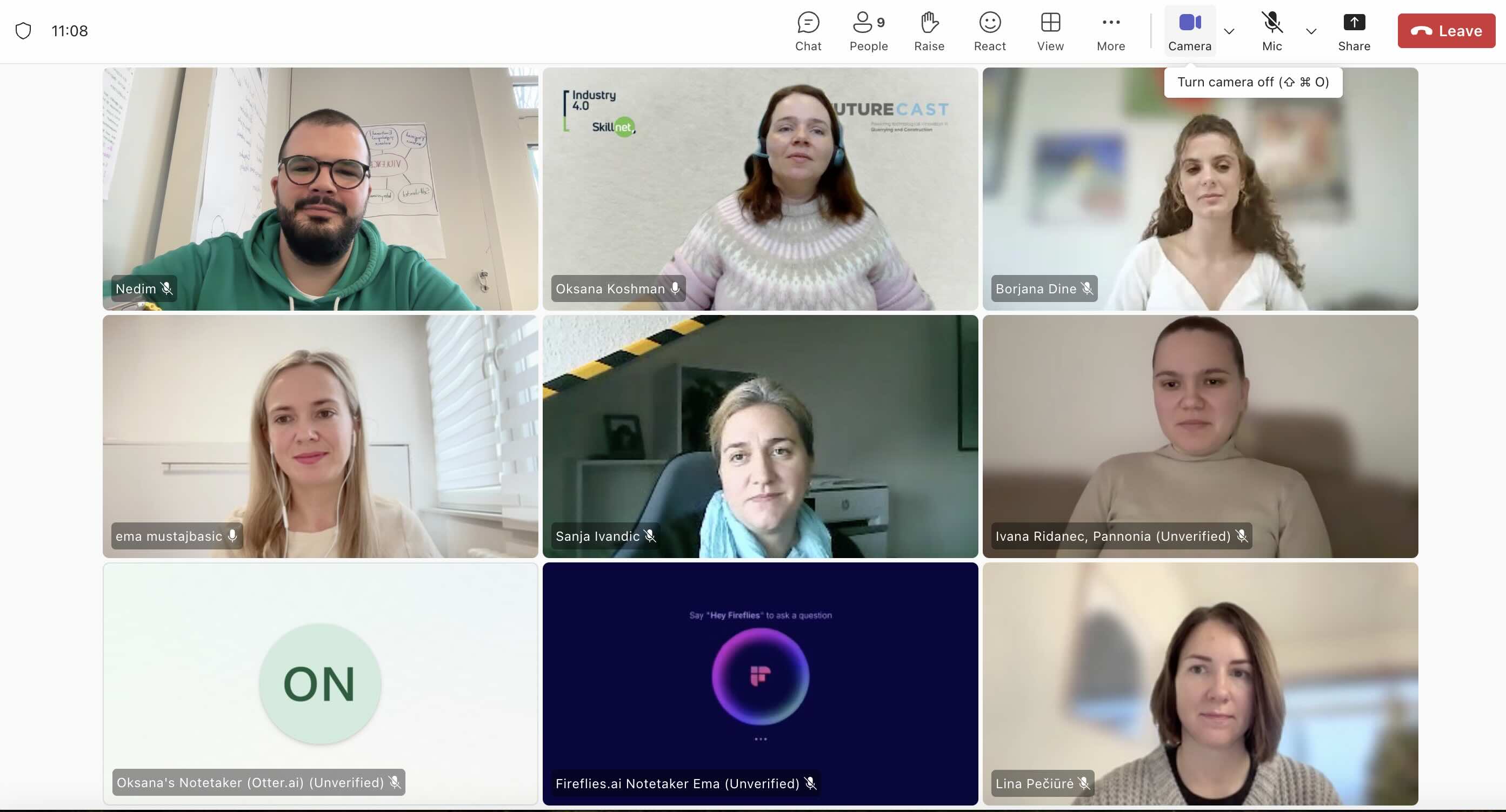
On 9 December, our project partners gathered online for the last coordination meeting of 2025 to look back on what we achieved this year and to prepare for an active period ahead. Although this was one of our regular monthly meetings, it played an important role in closing the year with a shared plan for 2026.

The meeting opened with a short recap of our recent work before moving into several practical updates.


Website and Wall of Support


Our Wall of Support is now fully functional, and we are preparing a wider outreach campaign for spring 2026. We also reviewed new articles, social media plans, and upcoming improvements to the website – including the future integration of online learning modules.


Curriculum development


Partners shared news from their local activities, including feedback from schools and training centres already testing elements of the project. We also discussed how the curriculum will be finalised, peer-reviewed, and translated so that it can be used effectively across all partner countries.


Preparing for the training in Ireland (May 2026)


A key part of the meeting focused on planning our international training event in Ireland. Partners reviewed the proposed dates, discussed travel and accommodation options, and shared information about the types of participants they intend to send. This early coordination ensures the training will be practical, balanced, and well-organised.


Transparent and well-organised administration


To keep the project running smoothly and transparently, partners discussed how we will handle all administrative tasks as we enter the final project year. This included agreeing on clear deadlines for submitting timesheets, using shared templates for documentation, and ensuring all financial records are complete and easy to verify. The team also reviewed preparations for the upcoming periodic report, confirming that all partners will follow the same standards and upload documents to shared folders so everything remains open, traceable, and compliant with EU requirements.


Next steps


Partners shared final updates, identified where additional support may be needed, and agreed on the immediate priorities. Our next meeting will take place on 8 January 2026, where we will continue preparing the training programme, finalising the curriculum, and strengthening our communication activities.

As we close the year, the consortium remains committed to supporting women’s skills, opportunities, and visibility in the construction sector through coordinated action across all partner countries.


To explore the project and follow our progress, visit:
https://women-in-construction.eu/

Needs Assessment Report of the WEC Project: Evidence-Based Foundations for Change in Construction

Needs Assessment Report of the WEC Project: Evidence-Based Foundations for Change in Construction

The construction sector across Europe and the Western Balkans is undergoing profound structural pressure. While it is expected to deliver on housing demand, large-scale infrastructure, and the green transition, it continues to struggle with chronic labour shortages and deep-rooted gender imbalances. Against this backdrop, the Needs Assessment Report developed within the Women Empowered in Construction (WEC) project provides a comprehensive, evidence-based foundation for future project actions.


Prepared as the final output of Work Package 2 – Research and Mapping, the report consolidates findings from institutional data analysis, policy mapping, and stakeholder consultations previously conducted under Deliverables D2.1 and D2.2. Its primary purpose is to synthesise this evidence into a strategic framework that directly informs the development of the WEC vocational education and training (VET) curriculum and other downstream project activities.


Scope and Methodological Basis


The analysis covers seven countries: Ireland, Germany, Croatia, Lithuania, Montenegro, Bosnia and Herzegovina, and Albania. These countries represent a mix of EU Member States and Western Balkan contexts, enabling cross-country comparison while identifying shared structural patterns.


The report draws on:

  • Labour market and institutional data,
  • Analysis of national policy frameworks,
  • Stakeholder interviews with education providers, employers, and sector experts,
  • Mapping of selected VET programmes in the construction sector.


This multi-layered approach allows the report to identify both transnational trends and country-specific challenges relevant to gender inclusion and workforce resilience in construction


Core Challenges Identified Across Countries


Structural Labour Shortages in Construction

All participating countries report a significant and widening gap between labour supply and demand in construction. Shortages are particularly acute in skilled trades such as electricians, masons, and steel fixers, as well as in supervisory roles and emerging green and digital occupations. The report highlights that labour shortages are no longer cyclical but structural, intensified by the retirement of experienced workers and insufficient entry of new labour into the sector.


Demographic change, migration patterns, and declining interest in vocational education further exacerbate these shortages, creating long-term risks for sector sustainability.


Persistent Gender Imbalances

Women remain severely underrepresented in the construction workforce across all partner countries. Female participation consistently clusters between 8.6% and 14%, and is even lower in site-based and manual trades. Where women are present, they are predominantly employed in administrative, design, or managerial roles rather than technical or operational positions.


The report identifies a persistent pattern of horizontal gender segregation, reinforced by cultural stereotypes, workplace exclusion mechanisms, economic disincentives such as gender pay gaps, and weak educational pipelines. Female enrolment in construction-related vocational programmes remains below 20% in most countries, with some reporting figures as low as 5%


Weak Education-to-Employment Transitions

Even in countries where female participation in construction education is improving, this progress does not translate into employment outcomes. The report identifies several contributing factors, including:

  • Limited engagement of employers with VET systems,
  • Gender-insensitive workplace environments,
  • Absence of female role models and mentors,
  • Poor visibility of career pathways into construction jobs.


As a result, the report concludes that upskilling women without parallel labour market transformation leads to significant “pipeline leaks”


Inadequate Gender Mainstreaming in VET Systems

Gender considerations are largely absent from curriculum design, accreditation criteria, teaching methodologies, and school–employer partnerships across the countries studied. Most VET providers lack the institutional capacity, resources, or mandate to implement gender inclusion strategies specific to construction. Instead, general equality policies are applied, which do not address the sector’s unique workplace realities


Gaps in Current Construction Curricula

The structured mapping of existing VET programmes revealed several common gaps:

  • Curricula are technically robust but socially narrow, with limited integration of gender equality.
  • Green construction skills are largely missing or treated superficially, despite growing EU-wide demand.
  • Digital competences such as Building Information Modelling (BIM), digital site management, and data tools are inconsistently included.
  • Teaching methods rely heavily on traditional lectures and written assessments, with limited use of project-based or simulation-based learning.


These gaps limit the capacity of current programmes to respond to labour market needs and to support diverse learner profiles.


Priority Needs for WEC Project Development


Based on the consolidated findings, the report identifies five high-priority needs that must be addressed in future WEC activities:

  1. Curriculum relevance and responsiveness, aligned with current and future skills demands in green, digital, and energy-efficient construction.
  2. Gender-sensitive design and delivery, embedding inclusion throughout learning materials, assessments, and safety training.
  3. Stronger education–employment linkages, including work-based learning, mentorship, and employer engagement.
  4. Support for VET providers and trainers, through capacity-building in gender-sensitive pedagogy and organisational mainstreaming.
  5. Policy and advocacy alignment, ensuring curriculum development is connected to regulatory frameworks and broader system-level change


Implications for the WEC Vocational Curriculum


The Needs Assessment Report confirms that the WEC curriculum must be designed as a transformative tool, embedding gender equality from the outset while integrating green and digital competencies across all modules. The curriculum is expected to address documented barriers such as cultural stereotypes, inadequate workplace facilities, and economic disincentives, while responding directly to labour market needs identified through stakeholder consultations


Conclusion


The report concludes that construction workforce challenges transcend national boundaries. Female participation remains consistently low across all countries studied, while labour shortages continue to intensify. In this context, the WEC project is positioned to contribute to both workforce development and systemic transformation by investing in women, modernising VET, and addressing long-standing structural exclusion.

By anchoring its future activities in the evidence presented in this Needs Assessment Report, the WEC project ensures that its outputs are technically robust, socially meaningful, economically relevant, and aligned with policy priorities at both national and European levels

Gallery

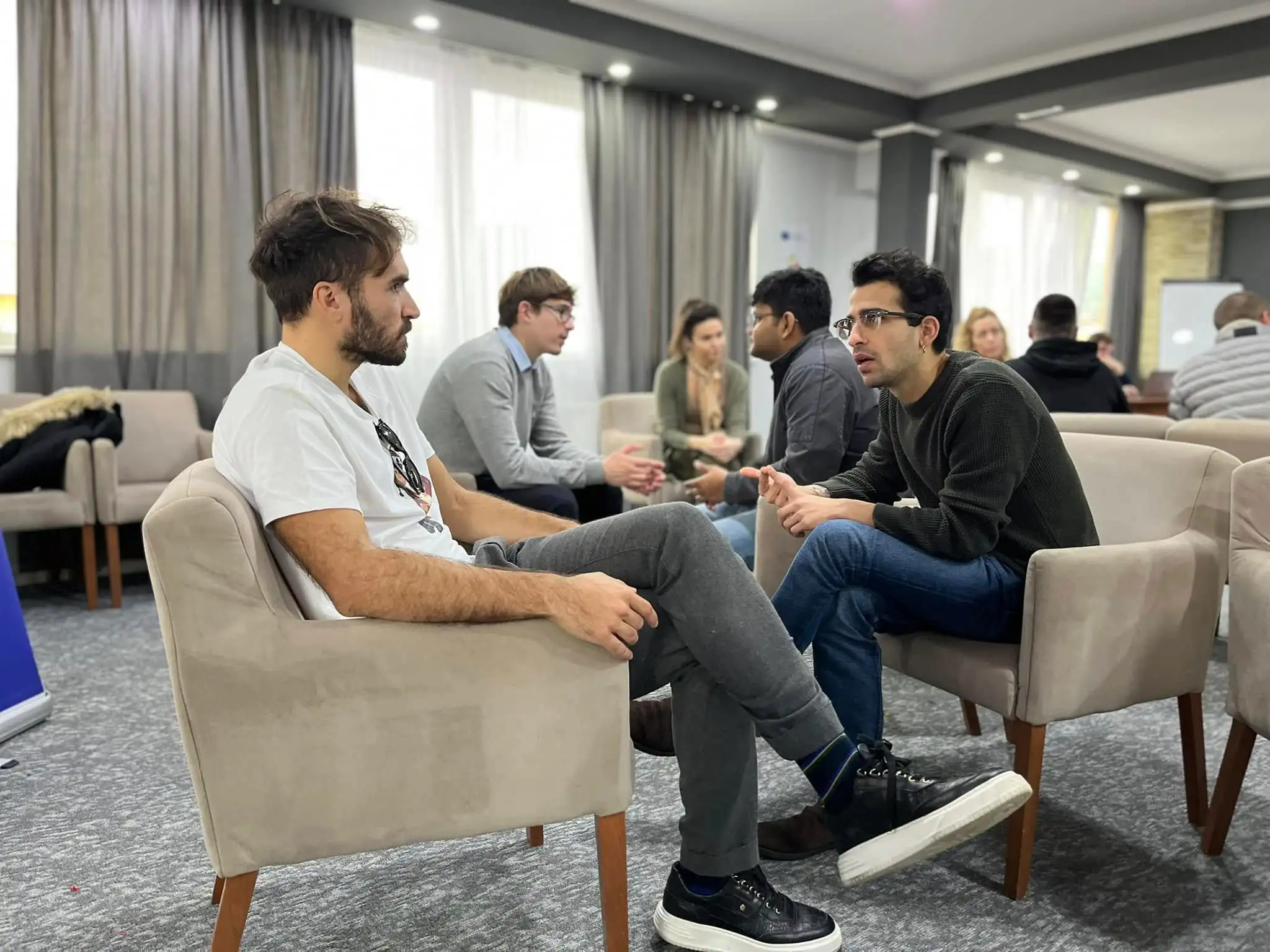
Introducing WEC Partners: Association Spin

Introducing WEC Partners: Association Spin

We are proud to introduce Spin / Okret as a one of the partners in this project.


Spin is a youth-centred non-profit organisation based in Mostar, Bosnia and Herzegovina, dedicated to empowering young people and strengthening inclusive communities through high-quality non-formal education and international cooperation.


Since its foundation in 2018, Spin has been working to ensure that all young people – especially those facing social, economic, educational, or geographic barriers – have access to meaningful learning opportunities, support, and pathways to active participation. With deep roots in local youth work, Spin combines hands-on facilitation with strategic project design across a variety of themes including youth inclusion, employability, digital competences, peacebuilding, gender equality, well-being, and violence prevention.


Spin’s expertise includes developing and delivering youth trainings, workshops, youth exchanges, blended learning programmes, and competence-based educational resources aligned with European frameworks. The organisation also supports the capacity building of youth workers, educators, and institutions to adopt inclusive methodologies and to scale positive impact locally and beyond.


In international projects, Spin brings strong experience in project coordination, partner collaboration, activity implementation, and dissemination through established networks with schools, civil society organisations, and community stakeholders. Their focus on innovation, digital transformation, and learner-centred design ensures quality and sustainability of project outcomes.


We are delighted to work with Spin / Okret, contributing their passion, professionalism, and deep commitment to youth empowerment and inclusion.

Germany – Country findings from the research

Germany – Country findings from the research

This article summarises the key findings from the Germany country research, focusing on the construction sector’s workforce trends, skills shortages, and the structural barriers that keep women underrepresented. The aim is to provide practical, evidence-informed insights that can guide project activities, employer engagement, and training design.


Key facts at a glance

Indicator

Finding (Germany)

Workforce size

Around 2.6 million workers (about 5 – 6% of all employed persons, 2023).

Enterprises and turnover

About 360,000 construction enterprises generating roughly EUR 430 billion annual turnover (2023).

Female participation

About 14% of the construction workforce is female (2024). In core construction trades the share is about 11%.

Women on building sites

Women are rare in manual trades on sites: about 1.9% of skilled trade workers on construction sites are female.

Female apprentices

Women account for about 3.5% of apprentices in main construction crafts (up from about 2.8% a few years earlier).

Recruitment difficulties

Over 53% of construction firms reported difficulty filling vacancies (with around 61% in civil engineering).

Foreign workforce reliance

Immigrant and foreign workers are about 24% of the construction workforce (main sector, 2023), up from about 8% in 2009.


1. Sector snapshot


Germany’s construction sector remains a major employer and economic pillar, but it is operating in a tightening labour market. Even as activity levels fluctuate, companies report that finding and retaining skilled workers is a persistent constraint.


2. Gender imbalance and where it shows up


Women’s underrepresentation is most pronounced in site-based and craft roles. The research highlights a two-speed picture: women are more present in planning, supervision, and some engineering functions, but remain largely absent from manual trades.


What the data suggests:

  • Headline participation is low: around 14% of the sector workforce is female, and only about 11% in core trades.
  • On construction sites, women make up roughly 1.9% of skilled trade workers, with only marginal progress over the last decade.
  • The talent pipeline is still narrow: women are about 3.5% of apprentices in main construction crafts.
  • In planning and supervision roles, women reach around 27%, indicating that role models and entry routes matter.


For project design, this implies that outreach and training need to be tailored to the specific points where women drop out or never enter: early career awareness, initial vocational choice, workplace culture on sites, and progression into higher-paid craft specialisations.


3. Vocational training pipeline and new entrants


The research points to declining trainee intake and limited applicant numbers, even though many companies still plan to train apprentices. This creates a risk of unfilled training slots alongside unfilled jobs.

  • New apprenticeship contracts in construction declined by about 4.7% in 2023, marking a second consecutive annual drop.
  • Refugee and crisis-affected country entrants into construction apprenticeships increased over time, reaching about 3,630 in 2023 (versus about 1,100 in 2016), indicating the value of integration pathways.
  • In civil engineering, beginner numbers also fell (about -1.8%), showing that shortages are not limited to manual trades.


This combination suggests that the challenge is not only training capacity, but also attractiveness and accessibility of training routes.


4. Labour shortages and the role of migration


Vacancy and unemployment indicators show a tight labour market in construction. Firms have responded with international recruitment and extensive use of posted workers, yet shortages persist.

  • Registered unemployment among construction-skilled workers was low in 2024, with about 50,000 unemployed and around 80,500 fewer than in 2020.
  • Surveys cited in the research report widespread hiring difficulty, including over 53% of firms reporting hard-to-fill vacancies.
  • Foreign and immigrant workers now make up about 24% of the workforce, and posted workers exceed 80,000 in 2024, reflecting structural reliance on cross-border labour.


A core message for employers is that expanding the domestic talent pool, especially women, is not a ‘nice to have’ but a practical response to labour shortages.


5. Wages, job quality, and the pay gap


Wages in construction have risen, but higher pay alone has not eliminated recruitment problems. The research also underlines that the gender pay gap is influenced by occupational segregation: women are underrepresented in higher-paid craft roles.

  • Average gross monthly earnings in main construction were about EUR 4,397 in April 2024, with variation by skill level.
  • Collective agreements set wage floors and have narrowed East-West gaps over time (for example, a top wage bracket around EUR 28.60 per hour is cited).
  • The research cites 2020 earnings data indicating women earned roughly EUR 42,163 versus EUR 45,044 for men in construction, with role distribution as a main driver.


Improving job quality is therefore not just about wages. It also includes predictable working time, safe and respectful workplaces, and clear development routes.


6. Policy direction and practical initiatives


Germany’s response combines skills policy, targeted equality measures, and labour mobility tools. At EU level, the Renovation Wave and Pact for Skills place renewed emphasis on scaling up workforce capacity while improving job quality.


Examples of action highlighted in the research include:

  • Mentoring and networks for women in technical roles, including structured mentoring programmes for junior engineers.
  • Practical guidance for companies on recruiting and retaining women, supported by chambers and competence centres.
  • International recruitment and cooperation to address immediate shortages.
  • Regional and sector initiatives that promote visibility and peer support for women in planning and construction.


7. Stakeholder insights from interviews


Interviews with sector stakeholders reinforce three recurring themes:

  • Early orientation matters. Interviewees stress starting in schools so girls grow up seeing technical professions as attainable.
  • Workplace culture is decisive. Inclusion is not achieved by recruitment campaigns alone; it depends on day-to-day conditions on sites and in teams.
  • Support and progression are required. Women entering male-dominated environments need structured support, mentoring, and clear development paths.


What this means for project activities in Germany


Based on the country findings, the most credible levers for project work are:

  • Targeted outreach that makes construction and related technical pathways visible to girls and women, with real role models.
  • Training that is designed around practical entry points, including bridging routes for migrants and career changers.
  • Employer engagement focused on job quality: safe sites, inclusive teams, and transparent progression into higher-paid specialisations.
  • Partnerships with existing networks and competence centres to avoid duplication and accelerate uptake.


Taken together, the Germany research underlines a clear opportunity: addressing skills shortages and gender imbalance as a single, connected challenge.

Meeting the Needs: Rethinking Education and Gender Inclusion in Construction

Meeting the Needs: Rethinking Education and Gender Inclusion in Construction

The construction industry across Europe and the Western Balkans is facing a double challenge: a growing demand for workers on one side, and deep-rooted gender imbalances on the other. To address these issues, the Women Empowered in Construction (WEC) project has published its Needs Assessment Report – a roadmap that highlights what must change if the sector is to become both resilient and inclusive.


Why a Needs Assessment?


This report goes beyond identifying shortages. It asks: What exactly is missing in current systems? What do women need to succeed in construction? And what changes must educators, employers, and policymakers make to remove barriers?


The findings point to five priority areas for reform:

  1. Curriculum Relevance and Responsiveness

Construction training programmes are often out of sync with the realities of today’s sector. While technical foundations exist, they fail to reflect the skills needed for the green and digital transition.

What’s missing:

  • Green construction methods and energy-efficient retrofitting.
  • Digital site management tools (BIM, drones, 3D modelling).
  • Safety and compliance modules adapted to mixed-gender teams.

Recommendation: Develop modular, job-focused training units that prepare learners directly for the most in-demand roles.


  1. Gender-Sensitive Design and Delivery

Most training programmes still reproduce old stereotypes. Female role models, gender-aware teaching methods, and inclusive materials are rare, leaving women without visibility or support.

What’s missing:

  • Inclusive language in training.
  • Properly sized PPE and safe workplace facilities.
  • Case studies showing women in technical roles.


Recommendation: Embed gender inclusion at every stage, from course design to assessment.


  1. Stronger Education–Employment Bridges

Even where women are entering construction education, few make it into jobs. The pipeline “leaks” because schools and employers aren’t connected enough.

What’s missing:

  • Mentorship and job-shadowing opportunities.
  • Partnerships with inclusive employers.
  • Career guidance for non-traditional pathways.

Recommendation: Integrate real world work experience and direct employer engagement into every training module.


  1. Supporting Trainers and VET Providers

Inclusion doesn’t happen automatically. Teachers and institutions need both tools and incentives to deliver change.

What’s missing:

  • Training for educators in gender-sensitive pedagogy.
  • Resources for schools to implement inclusion strategies.
  • Recognition and reward for inclusive performance.

Recommendation: Launch a capacity-building programme for VET providers, giving educators the confidence and skills to transform classrooms.


  1. Policy and Advocacy Alignment

Educational change must be reinforced by policies that reward inclusive practices. Otherwise, progress will remain uneven between EU and Western Balkan countries.

What’s missing:

  • Gender-specific strategies in construction policy.
  • Integration of equality goals into accreditation and funding.
  • Incentives for inclusive hiring in public procurement.

Recommendation: Develop a policy annex to the curriculum, offering regulators and governments a toolkit to embed equality in labour and education systems.


Looking Ahead


Labour shortages and gender gaps cannot be solved in isolation. Both are symptoms of outdated systems that must be modernised. For WEC project, this means that the upcoming vocational curriculum (D3.2) will not simply deliver skills it will act as a transformative tool, reshaping how women are trained, supported, and integrated into construction. By embedding inclusion, digitalisation, and green skills from the start, the curriculum will do more than prepare workers. It will help reshape the sector itself into one that is sustainable, equitable, and future-ready.

Breaking Ground: Tackling Labour Shortages and Gender Imbalances in Construction

Breaking Ground: Tackling Labour Shortages and Gender Imbalances in Construction

The construction sector is the backbone of Europe’s economic and social development, building not just infrastructure, but also opportunities for growth, innovation, and sustainability. Yet today it faces two pressing challenges: chronic labour shortages and a persistent gender imbalance.


Our recent transnational study, carried out under the Women Empowered in Construction (WEC) project, sheds light on these critical issues across seven countries: Ireland, Croatia, Lithuania, Montenegro, Germany, Bosnia and Herzegovina, and Albania.


The Labour Shortage Challenge


Across all countries studied, labour shortages are acute:

  • Ireland needs an additional 80,000 workers – a 47% increase – to meet demand.
  • Germany faces the largest absolute shortage, with projections of 100,000 unfilled roles by 2030.
  • Croatia, Lithuania, and Montenegro also report critical gaps, with vacancies concentrated in skilled trades like plumbing, electrical work, and masonry.

These shortages are compounded by demographic decline, ageing workforces, and emigration. For example, Lithuania expects its working-age population to shrink by 30% by 2050. Meanwhile, many countries rely on migrant labour to fill gaps, creating both opportunities and dependencies.


The Gender Gap: A Wasted Opportunity


Despite the demand for workers, women remain starkly underrepresented in construction. The study found female participation clustered between 8–14% of the workforce across most countries – and below 5% in Albania

Even in progressive labour markets, women on construction sites remain rare:

  • In Germany and Ireland, women make up less than 2% of on-site trades.
  • In Croatia, women account for just 10.2% of workers, mostly in administrative roles
  • In Albania, fewer than 600 female students were enrolled in construction vocational schools compared to over 4,000 male peers

This imbalance is not just a social issue – it’s an economic one. As industry leaders have warned, Europe “cannot afford to leave half the talent on the sidelines.”


Why This Matters


The research makes it clear:

  • Labour shortages are not only about numbers, but also about skills mismatches. Demand is rising for digital and green construction competencies, yet training pipelines remain weak.
  • Gender segregation continues to limit diversity, innovation, and resilience in the sector. Without change, half of Europe’s potential workforce will remain underutilized.


The Way Forward


Our report highlights several strategic recommendations:

  • Reform vocational education: Modernize training curricula, promote construction careers early, and strengthen school-to-work pathways.
  • Promote women in construction: Scholarships, mentorship, and awareness campaigns can challenge stereotypes and open doors.
  • Improve working conditions: Safer sites, ergonomic tools, and flexible arrangements can make construction more attractive for all.
  • Policy collaboration: Governments, industry, and education providers must coordinate to bridge the skills gap and make the sector inclusive


Building an Inclusive Future


The Women Empowered in Construction (WEC) project is committed to addressing these challenges. By developing innovative training programs, sharing best practices, and promoting diversity, we aim to transform the sector into one that is sustainable, equitable, and future-ready.


The findings are clear: solving labour shortages and closing the gender gap in construction is not just about fairness – it’s about securing the sector’s future and driving Europe’s green and digital transition.

Needs assessment report

Needs assessment report

Europe’s construction sector cannot solve its labour crisis without changing how it trains, recruits, and includes women. This Needs Assessment Report maps the real gaps holding the sector back — from outdated training models to weak education-to-employment pathways and gender-blind systems.


Building on extensive research across seven EU and Western Balkan countries, the report identifies the priority skills, structural barriers, and institutional changes needed to modernise vocational education and unlock women’s participation in construction. Designed as a strategic compass for action, it directly informs the development of inclusive, future-ready VET curricula that respond to labour shortages, the green transition, and the urgent need for gender equality in the sector.

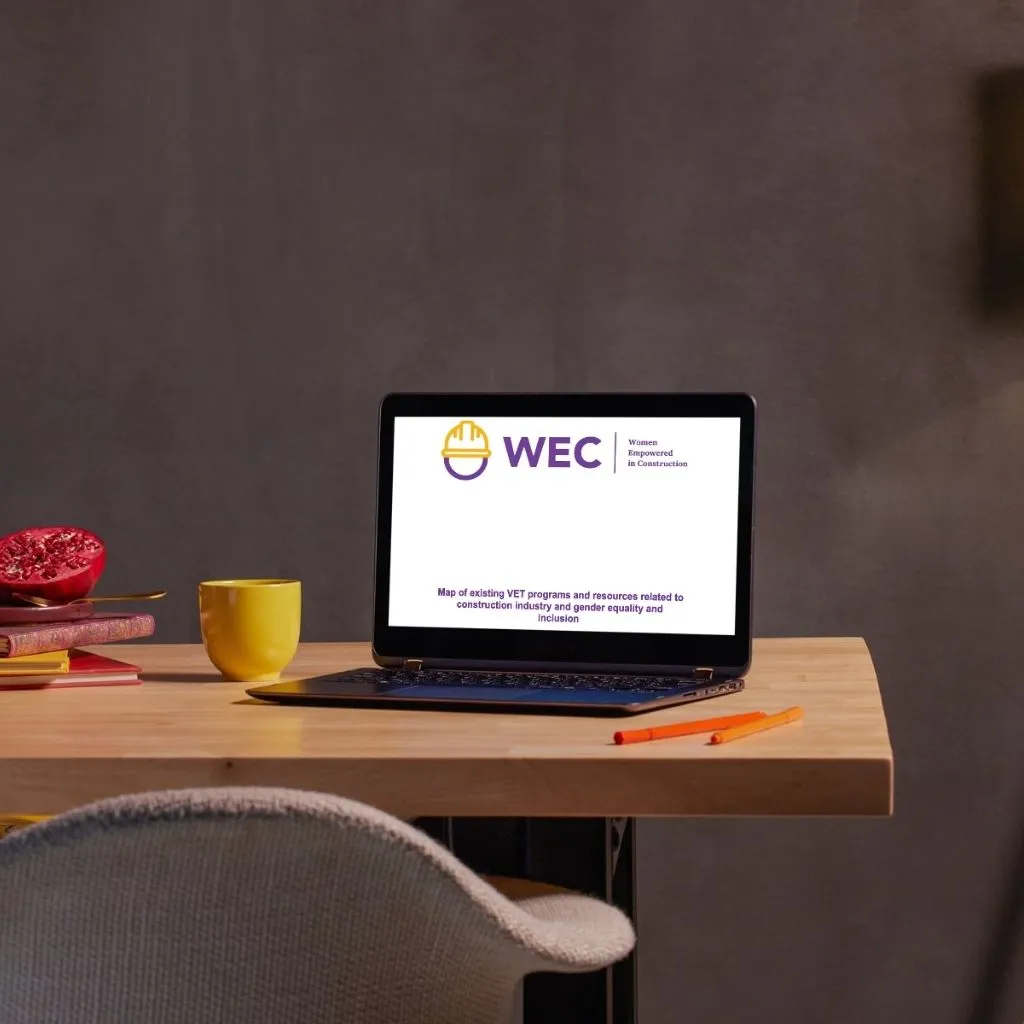
Map of existing VET programs and resources

Map of existing VET programs and resources

Across Europe and the Western Balkans, vocational education in construction is evolving — but not always in step with labour market needs or gender equality goals. This mapping report provides a clear, comparative overview of existing VET programmes and resources shaping the construction workforce today.


Drawing on institutional data and programme analysis from seven countries, the report highlights where current training systems are strong, where critical gaps remain, and how far they integrate gender inclusion, digital skills, and sustainability. By identifying good practices alongside structural shortcomings, it lays the evidence-based foundation for designing more inclusive, future-oriented VET pathways and empowering more women to enter and thrive in the construction sector.

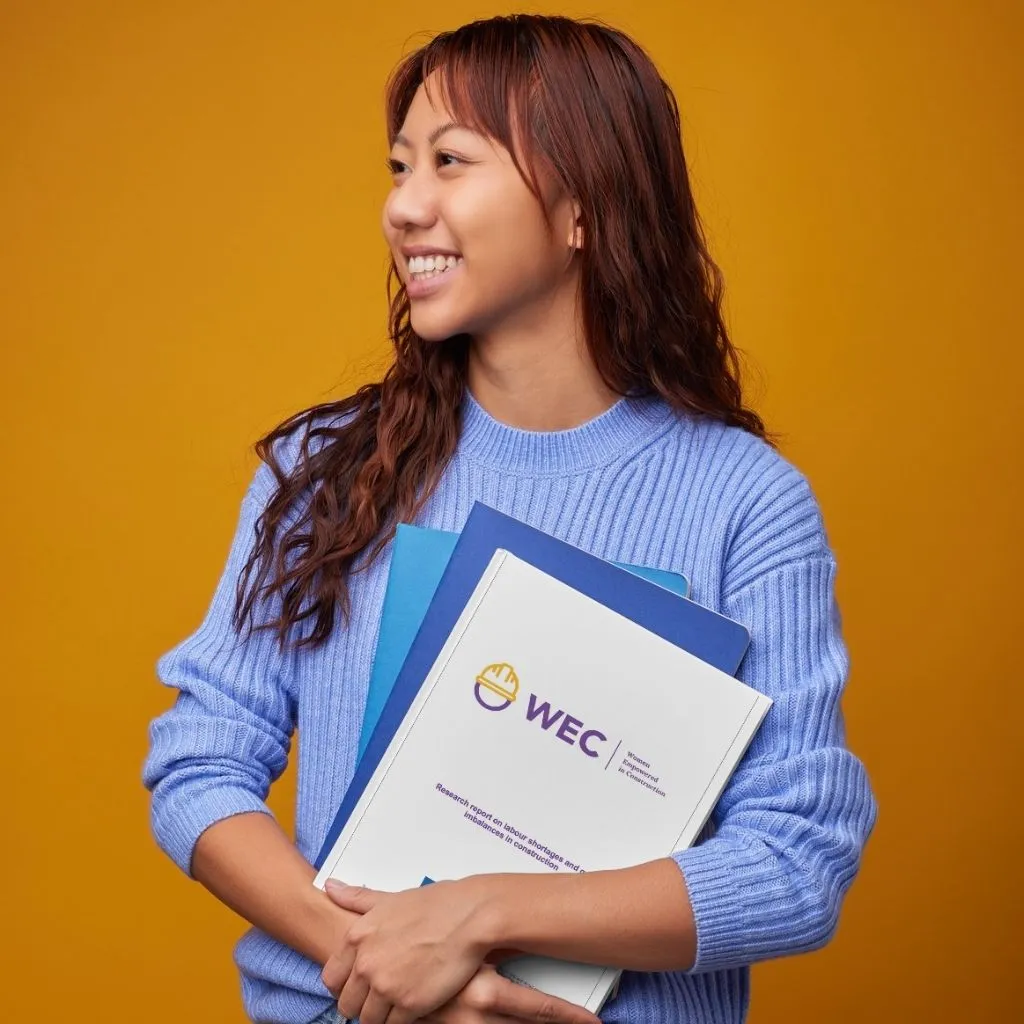
Research report on labour shortages and gender imbalances in construction

Research report on labour shortages and gender imbalances in construction

Europe’s construction sector is running out of workers – and overlooking half of its potential talent. This research report reveals how labour shortages and deep-rooted gender imbalances are reshaping one of Europe’s most important industries.


Based on evidence from seven European and Western Balkan countries, the report uncovers why women remain underrepresented in construction and how inclusive vocational training, smarter policies, and targeted support can unlock a stronger, more resilient workforce. Designed for policymakers, educators, and industry leaders, it offers clear insights and practical direction for building a future-ready, gender-balanced construction sector.