Breaking Ground: Tackling Labour Shortages and Gender Imbalances in Construction

Breaking Ground: Tackling Labour Shortages and Gender Imbalances in Construction

The construction sector is the backbone of Europe’s economic and social development, building not just infrastructure, but also opportunities for growth, innovation, and sustainability. Yet today it faces two pressing challenges: chronic labour shortages and a persistent gender imbalance.


Our recent transnational study, carried out under the Women Empowered in Construction (WEC) project, sheds light on these critical issues across seven countries: Ireland, Croatia, Lithuania, Montenegro, Germany, Bosnia and Herzegovina, and Albania.


The Labour Shortage Challenge


Across all countries studied, labour shortages are acute:

  • Ireland needs an additional 80,000 workers – a 47% increase – to meet demand.
  • Germany faces the largest absolute shortage, with projections of 100,000 unfilled roles by 2030.
  • Croatia, Lithuania, and Montenegro also report critical gaps, with vacancies concentrated in skilled trades like plumbing, electrical work, and masonry.

These shortages are compounded by demographic decline, ageing workforces, and emigration. For example, Lithuania expects its working-age population to shrink by 30% by 2050. Meanwhile, many countries rely on migrant labour to fill gaps, creating both opportunities and dependencies.


The Gender Gap: A Wasted Opportunity


Despite the demand for workers, women remain starkly underrepresented in construction. The study found female participation clustered between 8–14% of the workforce across most countries – and below 5% in Albania

Even in progressive labour markets, women on construction sites remain rare:

  • In Germany and Ireland, women make up less than 2% of on-site trades.
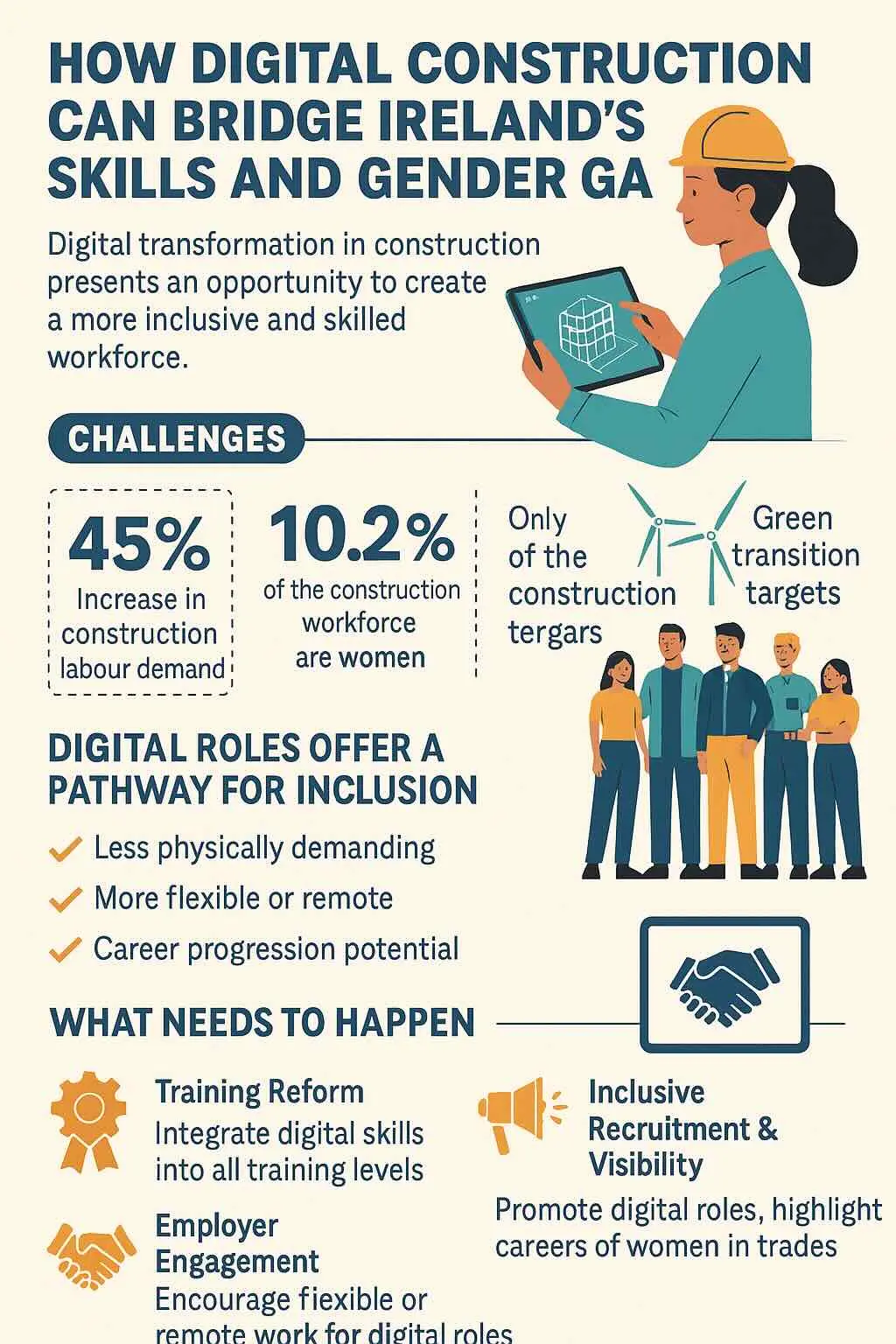
  • In Croatia, women account for just 10.2% of workers, mostly in administrative roles
  • In Albania, fewer than 600 female students were enrolled in construction vocational schools compared to over 4,000 male peers

This imbalance is not just a social issue – it’s an economic one. As industry leaders have warned, Europe “cannot afford to leave half the talent on the sidelines.”


Why This Matters


The research makes it clear:

  • Labour shortages are not only about numbers, but also about skills mismatches. Demand is rising for digital and green construction competencies, yet training pipelines remain weak.
  • Gender segregation continues to limit diversity, innovation, and resilience in the sector. Without change, half of Europe’s potential workforce will remain underutilized.


The Way Forward


Our report highlights several strategic recommendations:

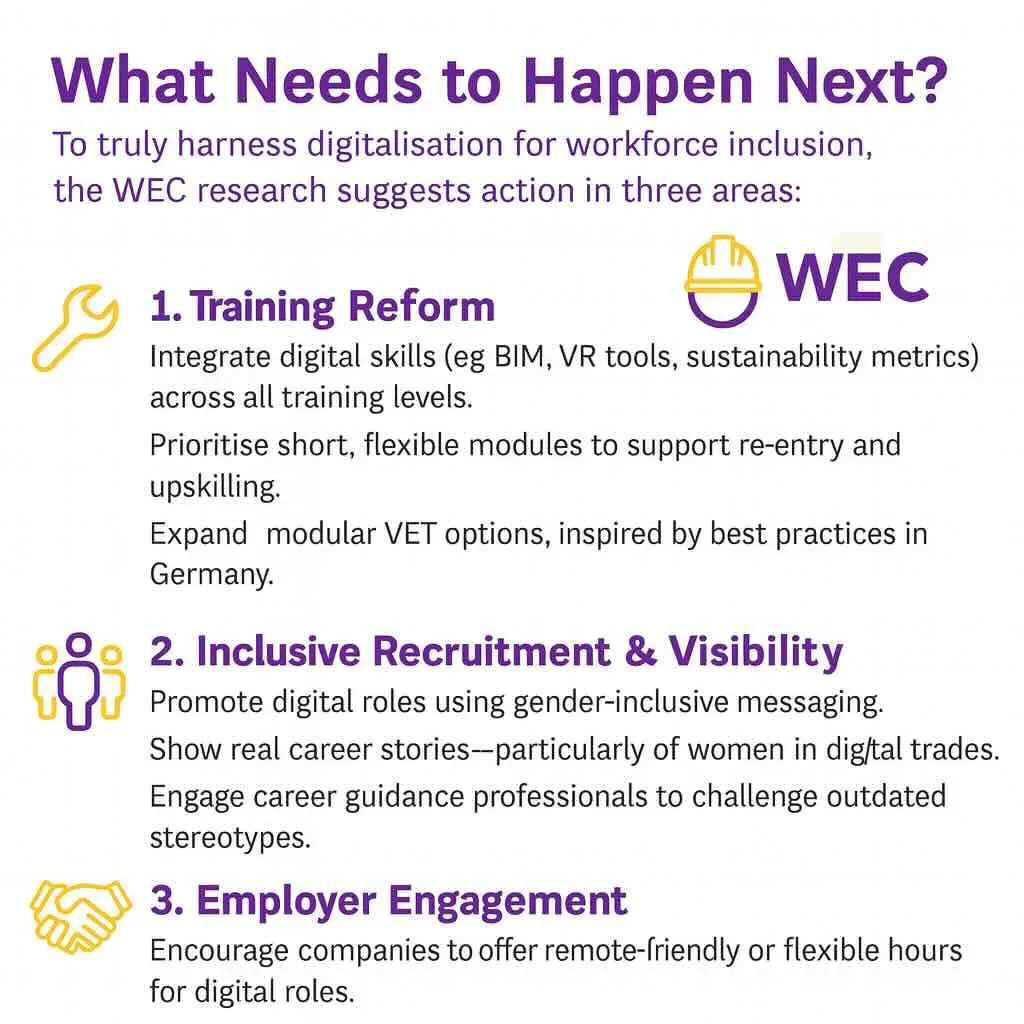
  • Reform vocational education: Modernize training curricula, promote construction careers early, and strengthen school-to-work pathways.
  • Promote women in construction: Scholarships, mentorship, and awareness campaigns can challenge stereotypes and open doors.
  • Improve working conditions: Safer sites, ergonomic tools, and flexible arrangements can make construction more attractive for all.
  • Policy collaboration: Governments, industry, and education providers must coordinate to bridge the skills gap and make the sector inclusive


Building an Inclusive Future


The Women Empowered in Construction (WEC) project is committed to addressing these challenges. By developing innovative training programs, sharing best practices, and promoting diversity, we aim to transform the sector into one that is sustainable, equitable, and future-ready.


The findings are clear: solving labour shortages and closing the gender gap in construction is not just about fairness – it’s about securing the sector’s future and driving Europe’s green and digital transition.

Needs assessment report

Needs assessment report

Europe’s construction sector cannot solve its labour crisis without changing how it trains, recruits, and includes women. This Needs Assessment Report maps the real gaps holding the sector back — from outdated training models to weak education-to-employment pathways and gender-blind systems.


Building on extensive research across seven EU and Western Balkan countries, the report identifies the priority skills, structural barriers, and institutional changes needed to modernise vocational education and unlock women’s participation in construction. Designed as a strategic compass for action, it directly informs the development of inclusive, future-ready VET curricula that respond to labour shortages, the green transition, and the urgent need for gender equality in the sector.

Map of existing VET programs and resources

Map of existing VET programs and resources

Across Europe and the Western Balkans, vocational education in construction is evolving — but not always in step with labour market needs or gender equality goals. This mapping report provides a clear, comparative overview of existing VET programmes and resources shaping the construction workforce today.


Drawing on institutional data and programme analysis from seven countries, the report highlights where current training systems are strong, where critical gaps remain, and how far they integrate gender inclusion, digital skills, and sustainability. By identifying good practices alongside structural shortcomings, it lays the evidence-based foundation for designing more inclusive, future-oriented VET pathways and empowering more women to enter and thrive in the construction sector.

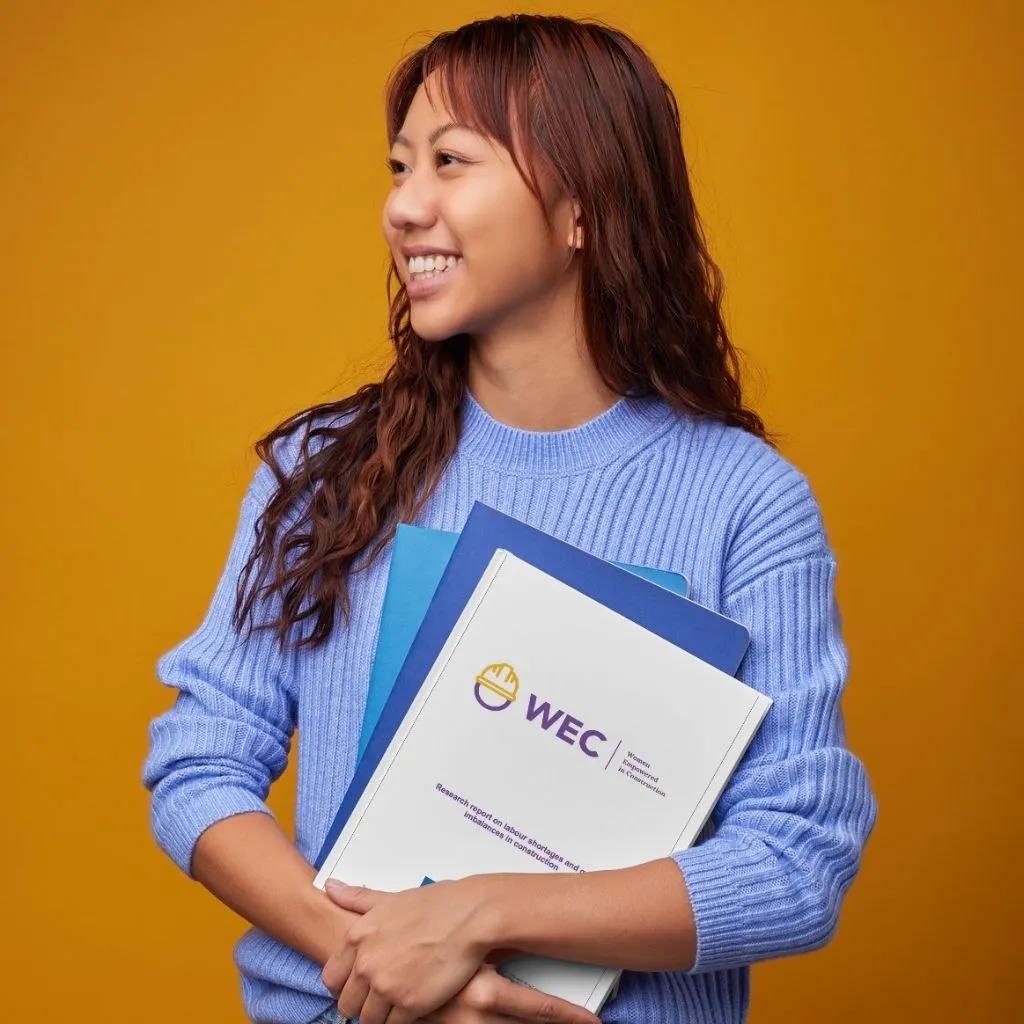
Research report on labour shortages and gender imbalances in construction

Research report on labour shortages and gender imbalances in construction

Europe’s construction sector is running out of workers – and overlooking half of its potential talent. This research report reveals how labour shortages and deep-rooted gender imbalances are reshaping one of Europe’s most important industries.


Based on evidence from seven European and Western Balkan countries, the report uncovers why women remain underrepresented in construction and how inclusive vocational training, smarter policies, and targeted support can unlock a stronger, more resilient workforce. Designed for policymakers, educators, and industry leaders, it offers clear insights and practical direction for building a future-ready, gender-balanced construction sector.

Introducing WEC partners: JU Srednja građevinsko-geodetska škola “Inž. Marko Radević”

Introducing WEC partners: JU Srednja građevinsko-geodetska škola “Inž. Marko Radević”

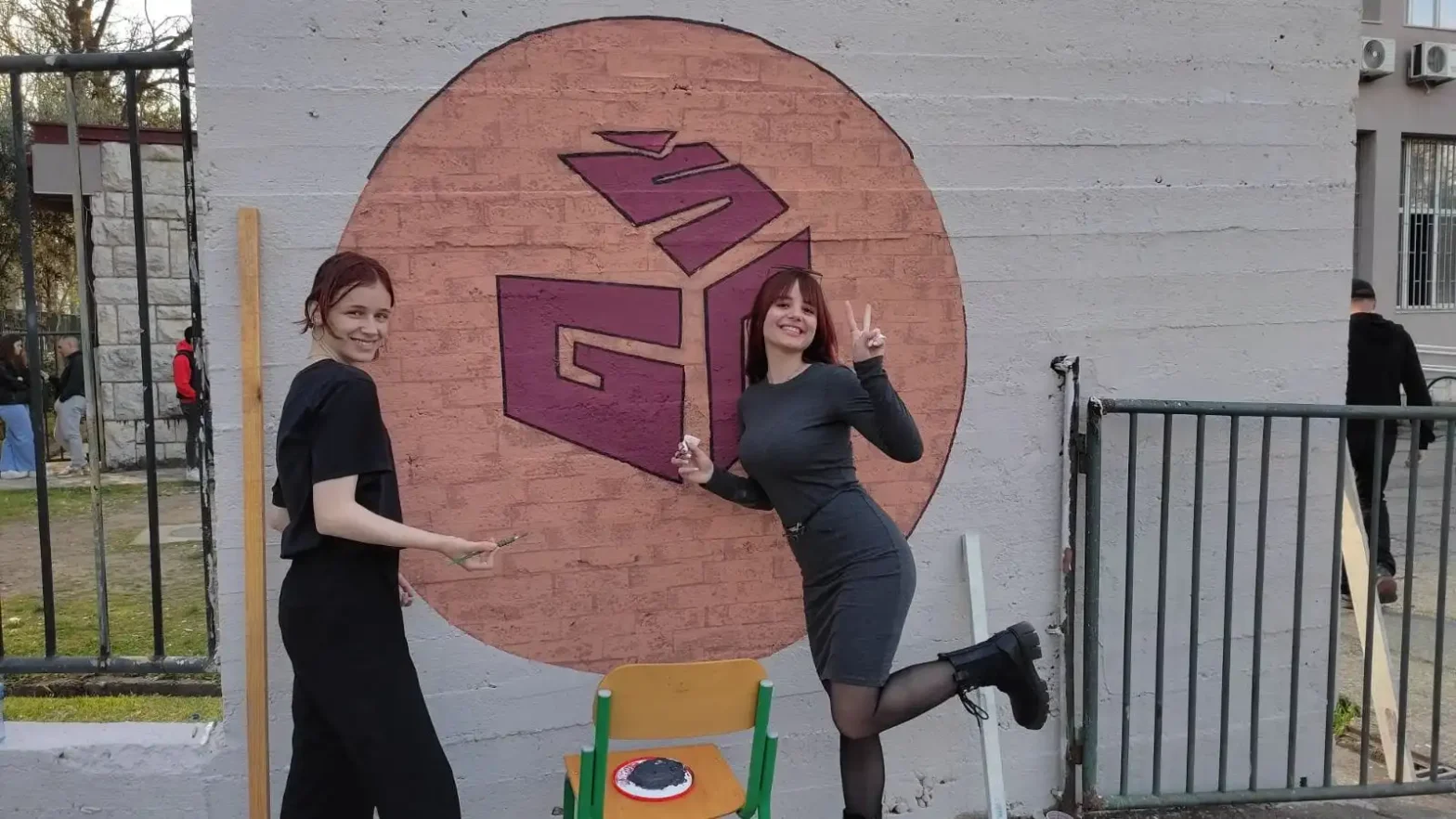
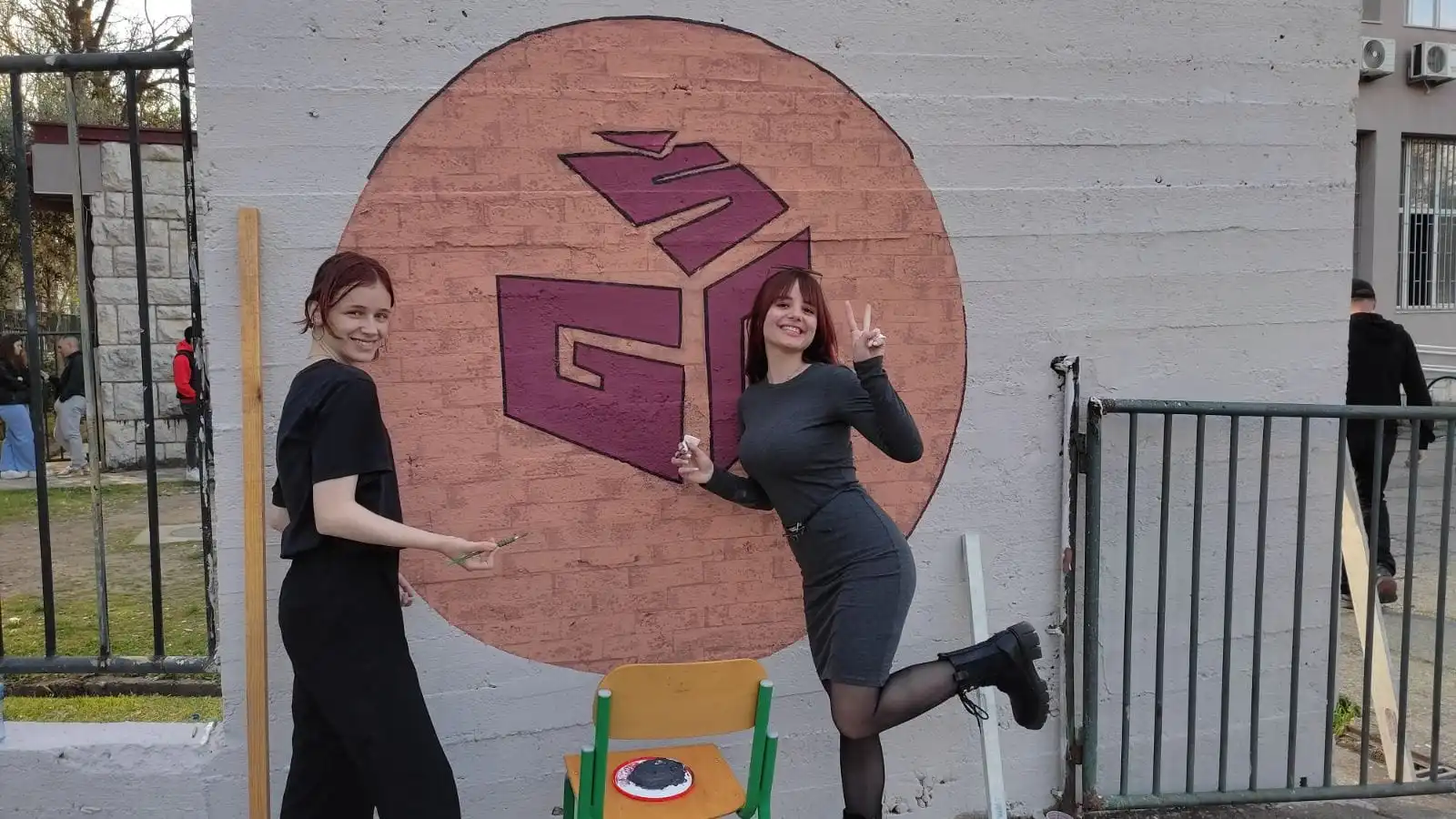
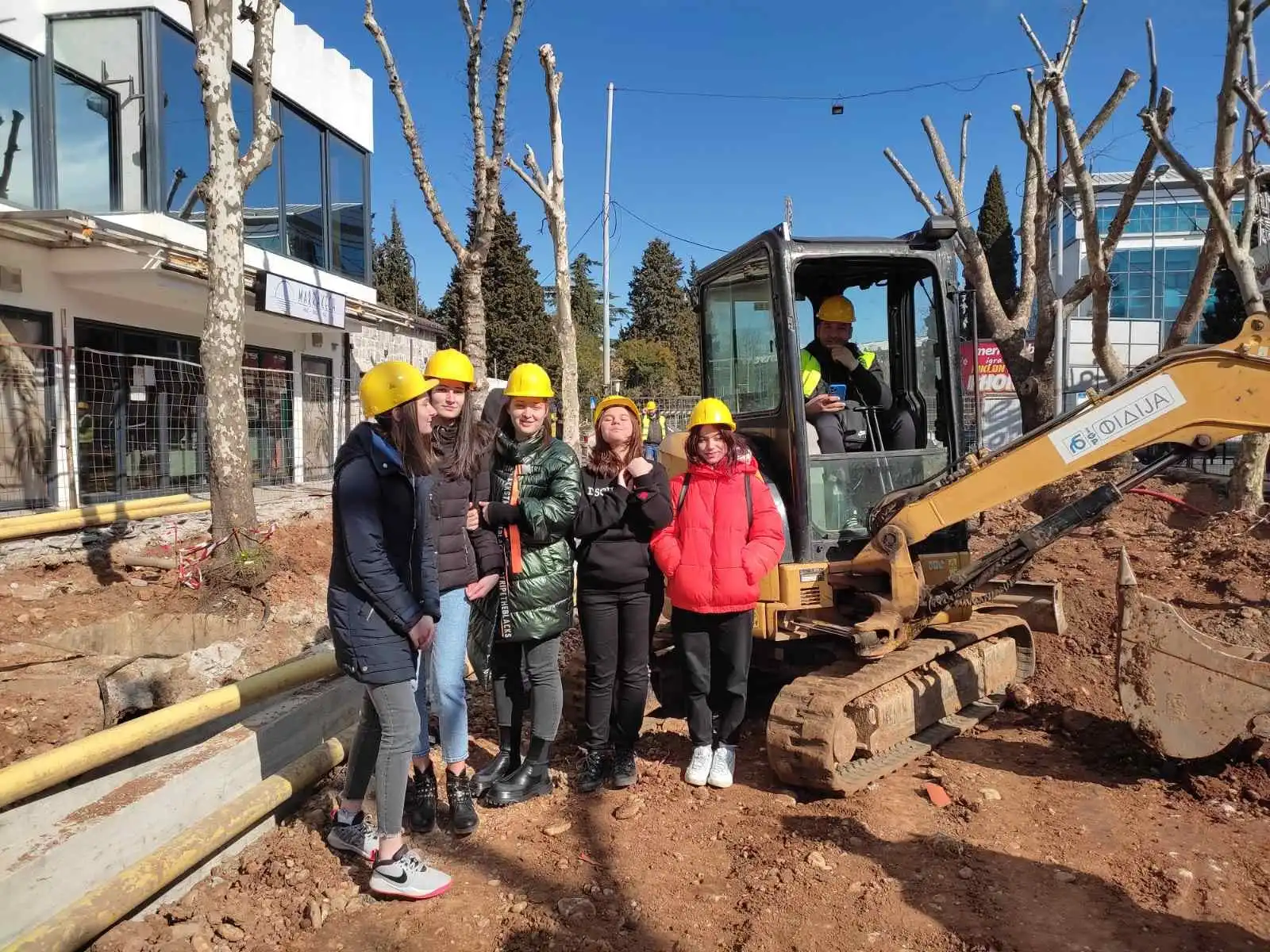
JU Srednja građevinsko‑geodetska škola “Inž. Marko Radević”, based in Podgorica, Montenegro, is proud to join the Women Empowered in Construction (WEC) project as a core partner. Since its foundation in 1945, our institution has been the leading vocational school in Montenegro for education in construction, geodesy, and, since 2004, architectural design. 
 
The school offers six modernized programmes aligned with NQF levels III and IV, such as: 
– Architecture and Interior Design Technician 
– Space Decorating and Arrangement Technician 
– Geodesy Technician 
– High‑Rise Construction Technician 
– Low‑Rise and Hydro‑Construction Technician 
– Finishing Works Technician 


As an educational partner in WEC, we bring: 
– Technical training and practical expertise, delivered through dynamic, real-world aligned curricula tailored for female learners. 
– Regional insights that enrich WEC’s inclusive and gender-responsive educational modules. 
– Strategic industry connections with Montenegrin construction and geodesy sectors to support hands-on learning experiences. 


Through our participation in WEC, we aim to: 
– Embed gender sensitivity into technical education and teaching methods. 
– Foster open dialogues between female students, educators, and industry professionals about career opportunities and equity in construction-related fields. 
– Boost visibility and empowerment for female students in traditionally male-dominated technical disciplines. 


JU Srednja građevinsko‑geodetska škola “Inž. Marko Radević” looks forward to contributing to a more inclusive future through the WEC project—where women are empowered, visible, and integral in the construction and geodesy fields. 

Gallery

Introducing WEC partners: Zenos

Introducing WEC partners: Zenos

Zenos is a marketing and education company based in Zenica, Bosnia and Herzegovina. Since 2019, it has supported individuals and organisations through impactful communication, inclusive training, and strategic outreach. In the Women Empowered in Construction project, Zenos leads dissemination activities, building the project’s digital presence and sharing its results with wider audiences.


A Dual Expertise: Marketing and Education

Zenos brings a unique combination of communication and educational skills to the project:

  • In the field of marketing, Zenos has extensive experience in social media strategy, branding, campaign development, and content creation. The team regularly produces promotional materials, manages online platforms, and crafts communication plans created to reach specific target groups.
  • In the field of education, Zenos has led numerous vocational training activities, both online and in-person, including programmes in entrepreneurship, economic empowerment, digital tools, intercultural communication, and diversity. Their training focuses particularly on women and youth, supporting access to practical skills aligned with the demands of the modern labour market.


Zenos also contributes to educational development by creating manuals, toolkits, and learning resources used by training institutions, non-governmental organisations, and community-based initiatives.


Zenos regularly initiates and delivers programmes that align with the mission of the Women Empowered in Construction project. A notable example is the Virtual Assistant Bootcamp, delivered in partnership with the Ministry of Outsourcing and the Zenica Development Agency in 2025. This free two-day training introduced participants to the world of remote work and provided them with hands-on skills in communication, content creation, personal branding, and client management.


Additionally, Zenos developed the Talent Management Academy, a learning programme made for human resource professionals, business leaders, and entrepreneurs. The Academy focuses on identifying, developing, and retaining talent, essential components in strengthening workforce capacity, particularly in male-dominated sectors like construction.


A Vision for Inclusive Growth

Zenos’ activities focus on the following fields:

  1. Economic empowerment
  2. Marketing
  3. Education
  4. Inclusion
  5. Social responsibility
  6. Cultural intelligence
  7. Healthy nutrition
  8. Entrepreneurship


Through its role in the Women Empowered in Construction project, Zenos is committed to promoting stories that challenge stereotypes and highlight the strength and contributions of women in the construction industry. It believes that visibility creates opportunity, and that education and communication are powerful tools for creating long-term, inclusive change.

By contributing expertise in outreach, digital strategy, and capacity building, Zenos proudly supports the project’s mission to develop a more diverse, skilled, and empowered construction workforce across Europe.

Gallery

Introducing WEC Partners: Outside Media & Knowledge (OMK)

Introducing WEC Partners: Outside Media & Knowledge (OMK)

Outside Media & Knowledge (OMK) is a German-based organisation working at the intersection of inclusive education, media, and European cooperation. Guided by the values of equity and cultural understanding, OMK strives to make vocational education and training (VET) more inclusive through creative, culture-based learning methods. It specialises in empowering hard-to-reach groups – including NEET youth, women, and migrants – ensuring that diversity in all its forms is embraced.


This mission is reflected in OMK’s work through:

  • Promoting equity and diversity in education, giving a voice to underrepresented communities.
  • Incorporating culture-based learning approaches to make training engaging and accessible.
  • Harnessing media and storytelling to amplify voices and share success stories.
  • Collaborating with partners across Europe to innovate in inclusive VET and youth programmes.


As a WEC partner, OMK plays a key role in bridging gender gaps in the construction sector. Within the project FEMCON in Germany, OMK conducted national research on women in the construction industry, publishing insightful reports that highlight challenges and best practices. The team also co-produced a podcast series to amplify female perspectives in construction, offering a platform for women to share their experiences and inspire others. Through these contributions, OMK is helping shape more inclusive training curricula and raising awareness across the industry.


OMK’s commitment to gender equality, educational innovation, and youth empowerment is at the heart of everything it does. Beyond the WEC project, the organisation has led initiatives in peacebuilding, cultural diversity, and civic education – all aimed at empowering individuals and fostering inclusive communities. By blending educational innovation with media and culture, OMK continues to champion equal opportunities and inspire positive change.


To learn more about Outside Media & Knowledge and its initiatives, visit their website at www.outsidemedia.eu.

Introducing WEC Partners: Pannonia Consulting

Introducing WEC Partners: Pannonia Consulting

Pannonia Consulting is a Croatian organization recognized for its commitment to advancing education and training in vocational and professional sectors. With extensive experience in EU-funded initiatives, Pannonia specializes in curriculum development, professional training, and driving the digital transformation of vocational education and training (VET).


Pannonia is also the lead partner for research activities within the Women in Construction (WEC) project, providing a strong evidence base to guide the development of innovative educational resources. By analyzing labor market needs, gender imbalances, and skill gaps within the construction sector, Pannonia ensures that the project’s training programs and policy recommendations are data-driven and aligned with real industry challenges.


This research-driven approach reflects Pannonia’s broader mission of designing educational tools and methodologies that foster gender equality and inclusive learning pathways. With a proven track record in Erasmus+ and international VET projects, Pannonia brings valuable expertise in connecting research with practical skills development, empowering women to access new opportunities in the construction industry across Europe.

Gallery

Introducing WEC partners: CRCA

Introducing WEC partners: CRCA

CRCA Albania is a leading CSO dedicated to child and youth rights, focusing on policy and decision-making through participation, empowerment and development, working to ensure that every young person in Albania has access to education, youth services, decent work, and opportunities to shape their future.


Our mission is to create systemic change for young people by advancing inclusive policies, fostering skills development, and promoting social and economic empowerment through evidence-based advocacy, innovative programs, and multi-sector collaboration.


We achieve this by:

  • Research and knowledge-share on youth rights, employment, education, and social inclusion with policymakers, institutions, and partner organisations.
  • Designing and piloting innovative solutions that support young people in accessing training, employment pathways, entrepreneurship opportunities, and youth friendly services.
  • Advocate for legal and policy reforms that guarantee public investment to youth, through participation, non-discrimination, and fair access to resources and decision-making processes at local and national levels.
  • Building strong networks and partnerships between government, civil society, businesses, and international organisations to create sustainable opportunities for young people.


CRCA Albania strongly promotes youth diversity, equality, and inclusion, and this is reflected in a number of key initiatives, including:

  • Training programs for NEET youth to develop digital, social, and vocational skills.
  • Mentorship schemes connecting young people with professionals and entrepreneurs through our Centres for Youth Services.
  • Advocacy campaigns for youth rights and improved employment policies in Albania.
  • Development of tools, guides, and policy proposals to help institutions and companies integrate youth-friendly and inclusive practices.
  • National and regional youth networks provide opportunities for participation, leadership, and policy dialogue.


CRCA Albania strives to empower the next generation to become active, skilled, and engaged citizens, capable of driving positive change in their communities and beyond.

Wall of Support – Empowering Women in Construction

Wall of Support – Empowering Women in Construction

The construction industry across Europe and beyond is facing a series of pressing challenges, including labour shortages and long-standing gender inequalities. The Women Empowered in Construction (WEC) project wants to address these issues by empowering women through innovative vocational education and training (VET) programmes. These initiatives aim to promote equality, strengthen diversity, and support the sustainable growth of the industry.

As part of this mission, we launched the Digital Wall of Support, a powerful symbol of solidarity, resilience, and unity among women and allies within the construction sector.


What is the Digital Wall of Support?

The Digital Wall of Support is more than a visual concept; it is a living, evolving representation of the growing momentum for change. Each “brick” in the wall will carry the name and, if desired, a quote from a supporter. Together, these contributions will create a vibrant display of encouragement and collective strength, showcasing the industry’s commitment to a more inclusive future.

Each brick symbolises:

  • Resilience: The determination required to succeed and thrive in a traditionally male-dominated industry.
  • Connection: The unity of women, businesses, educators, and policymakers working together to drive change.
  • Strength: The growing impact of women shaping the construction industry’s future.


Why Are We Building This Wall?

The Digital Wall of Support has a clear purpose: to raise awareness, encourage collaboration, and celebrate the contributions of women in construction. Our goal is to secure 500 signatures from individuals and organisations who are committed to building a diverse and equitable workforce.


How Can You Participate?

Participation is simple. By entering your name, email address, country, role (or connection to the construction industry), and gender, you can add your brick to the wall. Each submission strengthens the visual representation of our community’s shared purpose.

Supporters may also include a personal message or quote that reflects their vision for the future of women in construction. These messages will form an integral part of the wall, inspiring others to contribute and take action.


Building the Wall Together

Every digital signature represents another brick in the wall. As more people add their names and messages, the wall will continue to grow, month by month.

To amplify the wall’s impact, it will be promoted across social media channels, newsletters, and the WEC website. Regular updates will showcase its expansion, celebrating new supporters and inspiring further engagement.

By adding your name, you will not only help raise awareness but also join a growing movement committed to equality and innovation in construction.


Sign the Wall of Support today and help us build a more inclusive, resilient, and sustainable construction industry.